2026 Best Indoor Artificial Tree Fire Safety Regulations?

Time:2026-09-14 Author:Henry
0%

What are the fire safety regulations for indoor artificial trees? In 2026, the answer depends on the building, location, tree design, and locally adopted fire code. A residential living room, hotel lobby, shopping centre, and school may follow different requirements. No single global rule covers every artificial tree.

The word “fireproof” is tempting, but it is rarely precise. Many products are only flame-resistant or slow-burning. Buyers should check permanent labels, manufacturer instructions, and recognized safety testing. UL-listed lighting, protected plugs, intact wiring, and suitable power strips also matter. Never hide hot adapters beneath fabric, paper, or artificial branches.

Lorraine Carli, Vice President of Outreach and Advocacy at the National Fire Protection Association, has stated, “A dry Christmas tree can burn very hot and very fast.” Her warning mainly concerns natural trees, yet the principle still matters indoors: decorative materials can intensify heat, smoke, and flame spread. Artificial branches may resist ignition, but they are not automatically harmless.

For public buildings, managers should review the current edition of NFPA 1, NFPA 101, and applicable local regulations. They may also need clear exit paths, sprinkler protection, electrical inspections, and documented product certifications. Fire doors must remain unobstructed.

Small details matter.

A tree beside a heater, candle, overloaded outlet, or crowded doorway creates preventable risk. Still, regulations and testing labels can be confusing, and product claims are not always easy to compare. This guide examines the practical requirements, certification questions, placement controls, and common mistakes that affect indoor artificial tree safety in 2026.
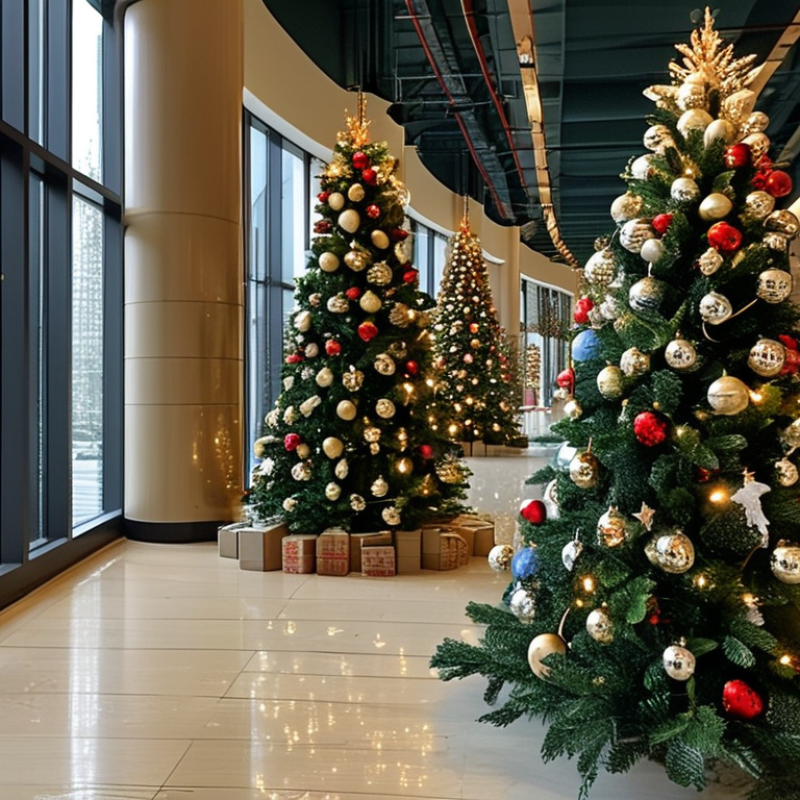
2026 Best Indoor Artificial Tree Fire Safety Regulations?

2026 Indoor Artificial Tree Rules: NFPA’s 0.25% Home-Fire Share

The often-cited NFPA figure places home fires involving Christmas trees near 0.25% of reported home fires. The percentage looks small. The risk is not imaginary.

For indoor artificial trees, fire safety begins with placement. Keep the tree at least three feet from heaters, fireplaces, radiators, and hot lamps. A stable base matters, especially on thick carpet. Check every light cord for cuts, loose plugs, or crushed insulation. Replace damaged sets instead of repairing them casually. Use lighting marked for indoor use, and avoid overloading one outlet or extension lead.

Look for the manufacturer’s flame-resistant or flame-retardant labeling, but do not treat that wording as a guarantee. It can slow ignition, not prevent it. Keep paper ornaments, fabric ribbons, and gift wrapping away from heat sources. Turn lights off before sleeping or leaving home. Batteries also need care; swollen or leaking cells should be removed safely.

Local fire codes may add requirements for public buildings, rental properties, or commercial displays. They can differ by location. A common mistake is focusing on the tree while ignoring nearby curtains, power strips, and dry decorations. That assumption is too comfortable. A careful inspection takes only a few minutes, yet crowded rooms make small oversights easier to miss.

2026 Indoor Artificial Tree Fire Safety Rules

NFPA’s estimated 0.25% share of reported U.S. home fires involving Christmas trees

Christmas tree fires represented an estimated 0.25% of reported U.S. home fires in the cited NFPA analysis. The same analysis estimated an average of 160 Christmas tree-related home structure fires, 2 civilian deaths, 11 civilian injuries, and approximately $10 million in direct property damage each year during 2016–2020.

Safety note: Choose an artificial tree identified by its manufacturer as fire retardant, keep it away from heat sources and exits, inspect lighting for damage, and follow applicable local fire and building codes. Requirements can vary by jurisdiction.

Source: National Fire Protection Association, “Christmas Tree Fires,” 2016–2020 estimates.

Fire-Resistant Materials: UL 2358, NFPA 701, and ASTM E84 Ratings

For indoor artificial trees, fire safety begins with the material specification, not the appearance. Plastic leaves, fabric foliage, trunk coatings, and decorative wraps can react differently to heat. Ask suppliers for current test reports, not only a printed flame-resistant claim.

NFPA 701 evaluates flame propagation in textiles, films, and similar decorative materials. It can help assess fabric leaves, hanging ornaments, or wrapping materials. However, passing NFPA 701 does not automatically certify the complete tree. The test sample and installation conditions matter.

ASTM E84 measures surface burning through flame spread and smoke development. It is commonly used for building-related materials, but a small tree may not match the tested assembly. UL 2358 may apply to fire-resistant wire or cable constructions used in illuminated products. Confirm its exact scope before relying on it. Look for traceable reports, sample descriptions, test dates, and laboratory accreditation.

During inspections, I check hidden wiring near warm lamps, crowded outlets, and leaves touching heaters. Small gaps matter. A certificate can still leave practical weaknesses. Some specifications also seem clear until the material changes. Recheck the documents when suppliers alter coatings, fabrics, or electrical components. Avoid placing trees beside exit routes, curtains, radiators, or cooking equipment. Keep extension connections visible and undamaged. No single rating replaces careful placement, maintenance, and a site-specific review.

2026 Best Indoor Artificial Tree Fire Safety Regulations? – Fire-Resistant Materials: UL 2358, NFPA 701, and ASTM E84 Ratings

Standard or Regulation What It Measures Principal Test Output Potential Relevance to Indoor Artificial Trees Important Limitation
UL 2358 A product-specific UL safety requirement or investigation document, depending on the applicable edition and product category. The applicable certification record identifies the construction, materials, tests, and marking requirements used for the evaluated product. May be relevant only when the artificial tree, decorative component, polymeric material, or related assembly is specifically covered by the applicable UL document. “UL 2358 compliant” should not be accepted by itself as a universal flame-spread or fire-resistance rating. Confirm the exact title, edition, scope, test report, and certification mark.
NFPA 701:2023 Flame propagation of textiles, films, and certain flexible decorative materials. Depending on the selected method, results can include ignition behavior, flame travel, afterflame, afterglow, specimen damage, and mass loss. Useful for fabric foliage, artificial needles, flexible films, garlands, drapes, and other textile-like decorative elements when the code or project specification requires it. It is not automatically applicable to every rigid plastic trunk, pot, or complete artificial tree. The correct test method and pass criteria depend on the material and intended use.
NFPA 701, Test Method 1 Small-scale flame propagation performance for selected textiles and films. Typically evaluates flame spread, afterflame or afterglow, and specimen behavior under the prescribed small-scale procedure. May be appropriate for smaller or lighter-weight decorative fabric and film components, subject to the test standard’s scope. A result for one fabric or film does not automatically certify the entire assembled tree, especially when adhesives, wiring, coatings, or dense foliage are added.
NFPA 701, Test Method 2 Flame propagation performance of larger-scale or heavier textiles and films. Evaluates flame propagation and related burning behavior under the larger-scale test procedure. Can be relevant to large decorative installations, substantial fabric foliage, hanging materials, or oversized flexible components. The test method must match the actual material construction and installation. A small-scale test result should not be substituted when the larger-scale method is required.
ASTM E84-25
(edition should be confirmed)
Surface burning characteristics of building materials using a test specimen exposed in a controlled tunnel. Flame Spread Index (FSI) and Smoke Developed Index (SDI). May be relevant to flat, rigid, or board-like materials used in displays, backdrops, panels, or architectural components associated with an artificial tree installation. ASTM E84 is not a complete-room fire test and is generally unsuitable for loose three-dimensional branches or irregular foliage unless the material can be tested in an accepted configuration.
ASTM E84 Class A Classification A building-code classification based primarily on the ASTM E84 flame-spread result, with smoke development also reported. Common classification thresholds are: Class A FSI 0–25; Class B FSI 26–75; Class C FSI 76–200. SDI is reported separately; a commonly referenced limit is SDI ≤450. A Class A result can be a useful specification target for eligible flat or rigid display materials where the applicable building code requires a Class A surface-burning classification. Class A does not mean noncombustible, fireproof, or safe at any distance from a heat source. Confirm the governing building code and the tested product thickness, backing, orientation, and installation.
Local Building and Fire Code Controls interior finishes, decorative materials, electrical installations, egress clearance, ignition sources, and occupancy-specific requirements. Requirements vary by jurisdiction, occupancy type, installation size, location, and adopted code edition. Determines whether documentation such as NFPA 701, ASTM E84, listed electrical components, or an authority review is required for the installation. A voluntary test report cannot replace approval by the authority having jurisdiction (AHJ) or compliance with the locally adopted fire and building codes.
Practical specification guidance: Request a current, traceable test report for the exact material and construction; verify the tested thickness, backing, coating, adhesive, foliage density, and installation orientation; keep artificial trees away from open flames, heaters, hot lamps, and overloaded electrical equipment; and obtain approval from the local authority having jurisdiction before installation.
Rating terminology: “Flame-resistant” or “flame-retardant” describes performance under a specified test. It does not mean fireproof or incapable of burning.

Electrical Safety Standards: UL 588 Lighting and 3-Foot Heat Clearance

Indoor artificial trees can look harmless, but their lighting creates real electrical and heat risks. For the 2026 season, check whether the lighting system is tested to UL 588, the safety standard for seasonal and decorative lighting products. Look for clear certification information, intact wiring, and instructions written for indoor use. A vague online listing is not enough evidence.

Inspect every cord before installation. Do not use strings with cracked insulation, loose sockets, exposed conductors, or warm plugs. Keep connections away from damp floors and avoid overloading wall outlets or extension cords. Use the supplied adapter when possible. Small details matter.

Keep the tree at least three feet from fireplaces, radiators, heaters, candles, and other heat sources. Measure from the nearest branch, not the trunk. Heat can dry artificial materials, soften insulation, or damage hidden wiring. Never cover adapters with fabric or place them beneath rugs. Turn the lights off before sleeping or leaving home.

A certification mark helps, but it does not make unsafe placement acceptable. I have seen attractive displays fail because a cord was pinched behind furniture. That mistake is easy to miss. Recheck the setup after moving the tree, and replace questionable components instead of improvising repairs. Local electrical requirements may be stricter than general guidance, so confirm them with a qualified professional.

Fire-Risk Testing: Flame Spread Index 25 and Smoke-Development Limits

For 2026 indoor artificial trees, fire-risk testing should focus on flame spread and smoke development, not appearance alone. Under ASTM E84, a Flame Spread Index (FSI) of 25 sits at the upper boundary of Class A performance. The same classification commonly requires a Smoke Developed Index (SDI) of 450 or less. These values measure surface burning under controlled conditions, not every real-room hazard.

That distinction matters. Synthetic needles may melt, shrink, or produce flaming droplets when exposed to radiant heat. ASTM E84 results may not fully represent those behaviors. Depending on the installation, authorities may also request testing under NFPA 701 or another recognized method for decorative materials. Ask for the complete laboratory report, including specimen thickness, backing, conditioning, and test date. Small details change results.

The National Fire Protection Association reported an estimated average of 160 home structure fires involving Christmas trees annually from 2016 through 2020. Those fires caused about two deaths, 11 injuries, and 10 million dollars in direct property damage each year. A compliance label alone is not enough. In practice, I would inspect wiring clearance, heat sources, and ventilation around the tree. I would also question any report showing FSI 25 without a clear SDI value. That is an uncomfortable gap, but an important one. Local building officials may apply stricter requirements.

Compliance Checklist: Labels, Recalls, Cords, Stability, and Exit Access

For 2026 purchasing and facility audits, treat an indoor artificial tree as a decorated electrical product. Check permanent labels for electrical ratings, flammability information, importer details, and traceable model numbers. Keep installation instructions with the tree. Requirements vary by jurisdiction, so confirm local fire-code guidance before public use.

Review current recall notices through official consumer-safety databases before installation. The U.S. Consumer Product Safety Commission recorded more than 200,000 emergency-department injuries from holiday decorations between 2018 and 2022. That figure covers many products, not artificial trees alone. Still, it supports careful screening. Inspect every cord for crushed insulation, loose plugs, exposed copper, or warm connections. Never hide a damaged cable beneath rugs or heavy furniture.

Stability deserves a physical test. The base should remain firm when the tree is gently pushed from several directions. Place it away from heaters, candles, curtains, and sprinkler obstructions. Keep cords against walls, not across doorways or exit paths. NFPA’s Christmas tree fire report found an annual average of 160 home structure fires from 2016 through 2020, causing about 10 deaths and 10 injuries each year. Artificial trees are not automatically safe. I have seen attractive displays pass a visual check yet fail when cords became trip hazards. Recheck them daily in busy buildings.

FAQS

What should I check before buying an indoor artificial tree with lights?

Look for clear safety testing information, permanent labels, electrical ratings, and traceable model numbers. A vague listing is not enough.

How can I inspect the tree’s lighting system?

Check every cord for cracked insulation, loose sockets, exposed wires, crushed sections, or warm plugs. Do not improvise repairs.

How far should the tree stand from heat sources?

Keep the nearest branch at least three feet from heaters, fireplaces, radiators, candles, and similar heat sources. Measure from the branch.

Can I place the adapter under fabric or a rug?

No. Keep adapters uncovered and away from rugs, fabric, damp floors, and heavy furniture. Heat needs an escape path.

What fire-testing information should I request?

Ask for the complete laboratory report, including flame spread, smoke development, specimen thickness, backing, conditioning, and test date. A single number may mislead.

Does a safety label guarantee that the tree is safe?

No. A label cannot correct poor placement, damaged wiring, blocked ventilation, or unsafe exit access. Labels are only one check.

How can I test whether the tree is stable?

Gently push the tree from several directions. The base should remain firm without rocking or sliding. Do this on the actual floor.

Where should cords be placed in a busy building?

Keep cords against walls, away from doorways, walkways, rugs, and emergency exit paths. Recheck them daily. Small shifts create hazards.

When should the lights be turned off?

Turn them off before sleeping or leaving the building. Recheck the setup after moving the tree. I might overlook that step.

Should local requirements be checked before public installation?

Yes. Local electrical and fire rules may be stricter than general guidance. Ask a qualified professional when details remain unclear. It is better to pause.

Conclusion

What are the fire safety regulations for indoor artificial trees? In 2026, safe use focuses on reducing ignition, flame spread, smoke, and electrical hazards rather than following one universal rule. Artificial trees should use fire-resistant materials supported by relevant testing, including UL 2358, NFPA 701, or ASTM E84 ratings where applicable. Fire-risk evaluation may also consider a Flame Spread Index of 25 and limits on smoke development. The often-cited NFPA figure that artificial trees account for approximately 0.25% of home fires provides useful safety context, but it should not replace product-specific guidance or local requirements.

Consumers should check for clear safety labels, current recall information, intact cords, secure plugs, and stable construction. Lighting should meet UL 588 requirements, remain undamaged, and be kept away from heat sources, with at least three feet of clearance where recommended. Keep the tree and cables away from heaters, candles, fireplaces, and blocked exits, and unplug lighting when unattended or before sleeping. Always follow the product instructions and local fire-safety guidance.

Henry

Henry

Henry is a dedicated marketing professional with a profound expertise in the company's offerings. With years of experience in the industry, he possesses an impressive understanding of the market dynamics and consumer behaviors that drive success. Henry is committed to sharing his insights through......