When considering greenery for your space, the question arises: Why choose preserved trees over artificial ones? Preserved trees offer a unique blend of beauty and realism. Unlike artificial alternatives, they maintain the original texture and scent of real wood while providing longevity. The aesthetic appeal of preserved trees enhances any environment, bringing a touch of nature indoors.
Moreover, preserved trees are environmentally friendly. They reduce the carbon footprint compared to synthetic materials. Each preserved tree tells a story, holding memories of nature within its branches. This connection to the natural world is often missing with artificial options.
Some may argue that preserved trees require maintenance, posing a challenge. Yet, this minor commitment is outweighed by the benefits. The authenticity and visual impact of preserved trees make them a worthy investment. Therefore, the choice becomes clearer; preserved trees bring distinctive charm, making them a wise choice for any setting.
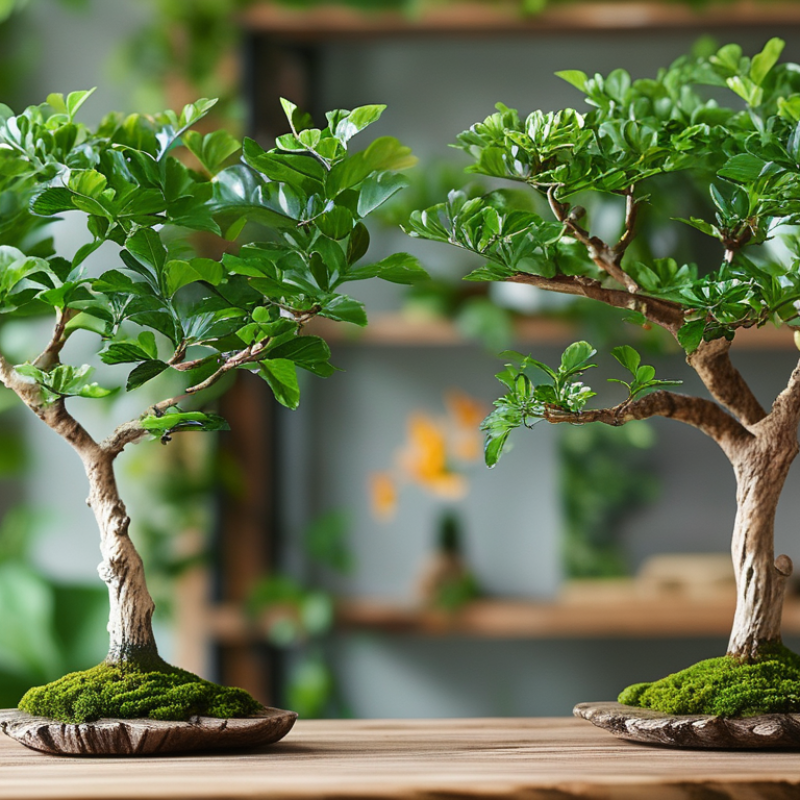
Choosing preserved trees over artificial ones offers notable advantages, particularly in longevity and authenticity. According to a report by the American Society of Horticultural Science, preserved trees can last for several years with proper care, while artificial options often degrade in appearance within just a few years. The durability of preserved trees stems from their natural preservation methods, which maintain the organic textures and colors that synthetic materials cannot replicate.
Moreover, preserved trees provide a more realistic look and feel. A study conducted by Green Industry Research highlighted that 75% of consumers prefer the authenticity of preserved botanicals over plastic alternatives. These trees can flourish in various environments, from homes to offices, delivering natural elegance without the maintenance required by live plants. However, one must consider that preserved trees can still lose their vibrancy over time, especially if exposed to direct sunlight. Regular maintenance, like dusting, is essential to retain their beauty.
While the initial cost of preserved trees might be higher, their longevity often makes them more cost-effective than artificial options. Despite the debate on environmental sustainability, reports from the Environmental Protection Agency suggest that preserved trees can still offer eco-friendly benefits. Users should reflect on their specific needs and maintenance capabilities before making the choice.
| Feature | Preserved Trees | Artificial Trees |
|---|---|---|
| Longevity | Up to 10 years with proper care | 3-5 years |
| Realism | Very realistic appearance and texture | Less realistic, plastic look |
| Maintenance | Minimal, occasional dusting | Requires more cleaning and upkeep |
| Environmental Impact | Biodegradable materials | Non-biodegradable plastics |
| Allergies | Hypoallergenic | Can gather dust and allergens |
| Cost | Higher initial investment | Lower initial cost |
: Preserved trees last longer, maintain natural textures, and provide a realistic look that artificial options lack.
They can last for several years, depending on care and environment, while artificial trees may degrade more quickly.
Yes, they need regular dusting and should not be exposed to direct sunlight to retain their vibrancy.
Yes, they help reduce plastic waste and can be sourced from sustainably managed forests, promoting biodiversity.
Check for sustainability certifications, quality, and supplier reliability to ensure you make an informed choice that reflects your values.
The realistic appearance and minimal maintenance requirements make preserved trees a popular choice among consumers for decoration.
Their vibrancy can fade over time, and not all suppliers guarantee sustainable practices, making research essential.
While they may have a higher initial cost, their longevity often makes them a more cost-effective choice in the long run.
They feature intricate details, like realistic bark and vibrant foliage, creating a warm atmosphere that artificial trees can't replicate.
Research different suppliers, check for ethical sourcing, and ensure preservation methods meet personal standards before purchasing.
In exploring the question of "Why choose preserved trees over artificial ones," it becomes clear that preserved trees offer numerous advantages. Firstly, they boast impressive longevity compared to artificial alternatives, ensuring they remain in excellent condition for extended periods. Environmentally, preserved trees are sourced sustainably, making them a more eco-friendly choice that contributes positively to the planet.
Additionally, the aesthetic appeal of preserved trees cannot be overlooked; they provide a natural look that artificial trees often fail to replicate, enhancing the overall ambiance of any space. From a financial perspective, preserved trees present a cost-effective solution, delivering long-term value that transcends the initial investment. Lastly, preserved trees are non-toxic, ensuring a healthier environment for both people and pets. These factors combined highlight the compelling reasons to choose preserved trees over artificial ones.

 Purely Plants