China Best Privacy Hedge How to Choose the Right Height

Time:2026-11-08 Author:Ethan
0%

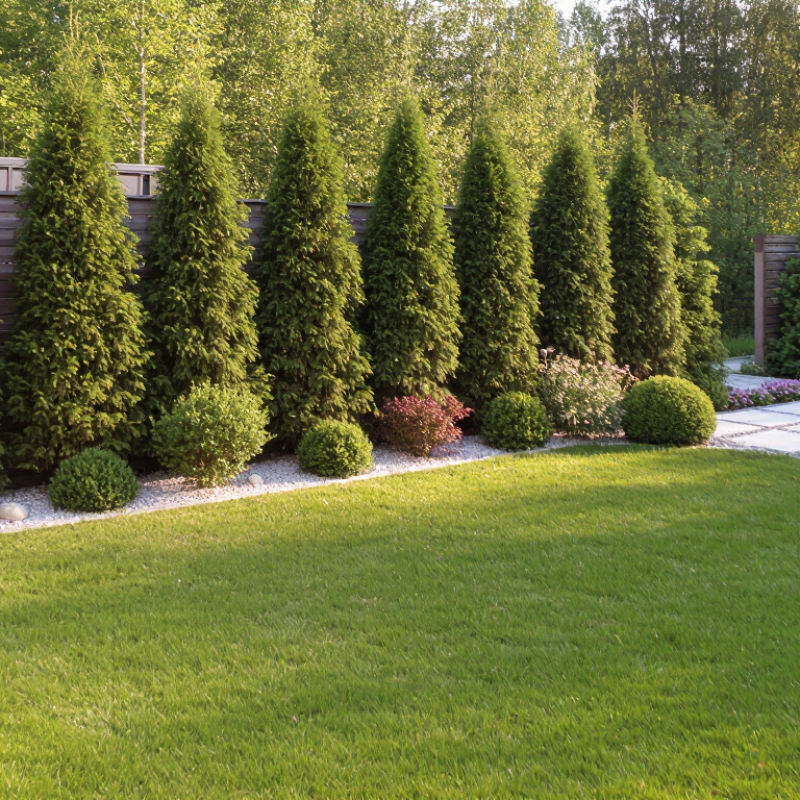
Choosing a privacy hedge is not simply a matter of buying the tallest plants available. The right height depends on what you need to screen, how much space you have, and how the hedge will look when mature. Before choosing, stand where privacy matters most: beside a ground-floor window, along a patio, or at the end of a garden path. A hedge that blocks one view may leave another exposed.

How to choose the right height for a privacy hedge starts with measuring the sightline, then checking each plant’s expected mature height and spread. Consider sunlight, soil, growth rate, and how often you can trim. A young hedge may take years to fill in. Taller plants can create an instant screen, but they may need more room and maintenance. Small details matter. A sloping garden, for example, can make a uniform hedge look uneven from the house.

RHS horticulturist Matthew Pottage is a relevant professional reference for practical gardening expertise. I cannot verify a verbatim statement from him on this exact topic, so I will not invent one. A useful, original takeaway is: “Choose for the mature hedge, not the height on the label.” It is a simple rule, though real gardens rarely behave perfectly. Check the growing conditions, allow for future trimming, and review your choice from the places you actually want screened.
China Best Privacy Hedge How to Choose the Right Height

Clarify Your Privacy Goals and Screening Requirements

A privacy hedge works best when it answers a specific sightline, not a vague wish for more green. Stand where privacy matters: beside a patio, at a bedroom window, or along a shared path. Note the eye level you need to screen and whether the view changes on a slope. A 1.5-metre hedge may block seated views but leave an upstairs window exposed. Check mature plant height and width, too; a tight planting strip can make a tall screen difficult to maintain. Measure twice.

Screening goals may include visual privacy, wind, or both, and these needs can point to different designs. USDA Natural Resources Conservation Service windbreak guidance describes sheltered areas extending roughly 10 to 20 times a barrier’s height downwind. That figure applies to wind protection, not guaranteed privacy, but it shows why height affects more than appearance. For visual screening, inspect gaps between stems at the height you want covered, including in winter if plants lose their leaves. A dense hedge can feel secure, yet it may shade a small garden or crowd a narrow path. The trade-off is easy to miss on a drawing. Record the key viewing points, available width, and acceptable upkeep before choosing a target height.

Assess Site Conditions Across China’s Climate Zones

Privacy hedge height should follow the site, not a catalogue photograph. China’s coastal south, dry northwest, and cold northeast impose very different demands. The China Meteorological Administration’s China Climate Change Blue Book (2024) reports that China’s average surface temperature rose about 0.30°C per decade from 1951 to 2023. That national trend matters, but it cannot describe one garden. Check local seasonal temperatures, rainfall, prevailing winds, and frost dates before choosing mature plant height.

Look closely at the boundary. A windy coastal plot may need a lower, denser screen that does not catch excessive wind; a northern site may need snow-tolerant plants and room for winter pruning. In dry inland areas, a tall hedge can demand more irrigation than expected. Humid southern sites need airflow to reduce persistent dampness inside dense foliage. Measure sightlines from windows and paths, too. A hedge that blocks a neighbour’s view may also shade a small vegetable bed. Taller is not always better. I’d still verify local climate records and soil drainage on site; broad regional advice can miss a surprising amount.

Compare Hedge Species by Mature Height and Growth Rate

A privacy hedge should match the screen height you need, not just look dense in a nursery pot. Photinia typically reaches about 2–4 metres and may add 30–60 centimetres yearly in favorable conditions. It suits a medium-to-tall screen, but needs room for regular trimming. Growth slows in poor soil or deep shade.

Japanese privet can grow roughly 3–5 metres, often at a brisk 30–60 centimetres per year. It fills gaps quickly, though frequent pruning may be needed to keep it narrow. Podocarpus usually grows more slowly, around 15–30 centimetres yearly, and can reach 3–6 metres. Its slower pace means less frequent shaping, but privacy takes longer to establish. Check the label.

These figures are useful estimates, not promises. Climate, drainage, sunlight, and pruning can change both mature height and growth rate across China’s varied regions. Before buying, compare the plant’s expected height with your fence and nearby windows. Ask how wide it grows, too; a hedge that reaches the right height may still crowd a path. I would allow extra time for establishment, especially where summers are dry or winters are cold.

Set the Right Height for Privacy, Sunlight, and Local Rules

A privacy hedge should block the views that bother you without turning the yard into a dark corridor. Stand where privacy matters most, such as beside a patio table or a ground-floor window. Measure at eye level. Then check the view from the neighbor’s side, if practical. Small gaps matter, especially when a hedge is young or uneven.

Height also affects light and maintenance. A tall, dense hedge can shade vegetable beds and lower windows, while a shorter one may leave sightlines exposed. Track sunlight across the yard at different times of day before choosing a target height. Consider the plants’ mature size, not only their height at purchase. Local rules may set limits near roads, corners, or property boundaries, so check municipal guidance and confirm your boundary before planting. Requirements vary by location. There is no perfect height; a little compromise may be needed.

Tips: Use a tape measure and mark the proposed height with a stake or string. Check the view from standing and seated positions. Ask a local horticulture professional about suitable plants and pruning needs. It is easy to focus only on privacy, then regret lost afternoon sun. Start with a modest plan, and reassess after the first growing season.

China Best Privacy Hedge: How to Choose the Right Height — Set the Right Height for Privacy, Sunlight, and Local Rules
Privacy Goal Hedge Option Typical Mature Height Suggested Maintained Height Light Conditions Spacing and Screening Notes Height and Site Checks
Low boundary screening without blocking much light Camellia (Camellia japonica or suitable local species) About 1.5–6 m, depending on species and cultivar About 1–2 m Partial shade is generally suitable; protect from harsh afternoon sun where needed Allow room for the selected cultivar’s mature width; growth is generally slower than fast-growing screening shrubs Check whether the hedge will shade nearby windows, paths, or neighboring planting as it grows
Medium-height, dense evergreen privacy Photinia (Photinia × fraseri) Often about 3–4 m when established; size varies with cultivar and pruning About 1.5–3 m Full sun to partial shade; good light supports denser growth For a continuous hedge, plants are commonly spaced roughly 0.6–1 m apart, adjusted for plant size and desired density Leave access for pruning and avoid planting where mature growth will obstruct a driveway or sightline
Tall, narrow evergreen screen Podocarpus (Podocarpus macrophyllus) Can exceed 5 m if left untrimmed; size depends on climate and growing conditions About 2–4 m Full sun to partial shade Often used as a clipped screen; spacing should account for the plant’s eventual width and the time needed for branches to meet Confirm overhead clearance and local limits before planning a tall screen; do not assume a hedge is exempt from boundary rules
Fragrant, formal evergreen boundary Sweet osmanthus (Osmanthus fragrans) Commonly about 3–10 m as a large shrub or small tree, depending on conditions About 1.5–3 m with regular pruning Full sun to partial shade Allow adequate room for a substantial shrub; use pruning to maintain the chosen height and shape Consider mature width and shade, not just the height at planting; check boundary and neighborhood requirements
Fast, tall screening where a spreading plant is acceptable Clumping bamboo, such as suitable Bambusa multiplex forms Often about 3–6 m, depending on form and growing conditions About 2–4 m, maintained by selective pruning Full sun to partial shade, depending on the form Choose a genuinely clumping type and provide space for the clump to expand; avoid running bamboo unless a suitable containment plan is in place Check local planting rules, underground services, and the potential spread or width of the clump before planting
Planning note: Heights are typical ranges, not guarantees; species, cultivar, climate, soil, water, and pruning affect final size. Local rules differ by city and site, so check applicable boundary, sightline, building, and utility requirements before planting. “Full sun” generally means around 6 or more hours of direct sun daily; “partial shade” commonly means less direct sun.

Plan Planting Spacing and Ongoing Height Management

Choose a hedge height that screens the view without shading the whole garden. A 1.5-metre hedge may block seated sightlines, while a taller screen can offer more privacy near windows. Check the plant’s mature height and width, then consider how quickly it grows in your soil and climate. Measure twice. A common mistake is planning for the hedge’s height but not its eventual spread. Leave enough room for airflow and maintenance access, and follow spacing guidance for the selected species rather than squeezing plants together for instant coverage.

Set out plants with a string line so the row stays even. Water deeply after planting, and mulch the soil while keeping mulch clear of the stems. During the first seasons, steady watering matters more than frequent trimming. Once established, shape the sides slightly wider at the base than at the top; this lets lower branches receive light. Keep the finished height within reach of safe, ordinary maintenance. Not every hedge responds the same way. Avoid removing too much growth at once, especially from slow-growing or older plants, and check for nesting wildlife before cutting. A little unevenness may remain after pruning; forcing a perfect line can remove healthy growth unnecessarily.

Choosing the Right Privacy Hedge Height

Plan for the privacy you need, the hedge’s mature size, and the space available. The chart shows approximate planting distances for common hedge types; check the plant’s label and local growing conditions before planting.

Height management: Measure the desired finished height before planting. Keep clipped hedges slightly narrower at the top to let light reach the lower branches, and trim regularly rather than removing a large amount at once. For evergreen hedges, avoid cutting back beyond green growth unless the species tolerates it.

FAQS

How do I choose a useful hedge height?

Stand beside the patio or window you want screened. Measure the sightline from standing and seated positions. Measure twice.

Will a 1.5-metre hedge block every view?

Not necessarily. It may screen seated views but leave an upstairs window exposed. Check nearby windows and slopes before choosing a target height.

Should I consider the hedge’s mature size?

Yes. Check both mature height and width. A narrow planting strip can make a tall hedge difficult to maintain.

Can a hedge help with wind as well as privacy?

Yes, but the design may differ. Windbreak guidance suggests sheltered areas can extend about 10 to 20 times a barrier’s height downwind. That is not a privacy guarantee.

How should local climate affect my choice?

Check local temperatures, rainfall, prevailing winds, and frost dates. Dry inland areas may require more irrigation for tall hedges. Humid sites need airflow through dense foliage.

How can I avoid losing sunlight?

Track sunlight at different times of day. A tall, dense hedge may shade lower windows or a vegetable bed. I might underestimate that effect.

Should I check local rules before planting?

Yes. Municipal guidance may set height limits near roads, corners, or boundaries. Confirm the property boundary before planting.

What should I do after planting?

Recheck the screen after the first growing season. Look for gaps at the height you need, including winter gaps if the plants lose their leaves. Heights are easy to misjudge.

Conclusion

Choosing a privacy hedge in China begins with defining what you need to screen, such as neighboring windows, street views, or wind, and how quickly you want coverage. How to choose the right height for a privacy hedge depends on both the desired level of seclusion and the conditions of your site. Consider regional differences in temperature, rainfall, sunlight, and soil, then compare suitable hedge plants by their mature height, growth rate, and tolerance for local conditions.

Set a target height that provides privacy without unnecessarily blocking daylight or views, and check any applicable local property or planting guidelines. Allow enough space between plants for their expected spread and airflow, rather than planting too densely for instant coverage. Regular pruning, watering, and monitoring will help the hedge stay healthy and within the height you planned as it matures.

Ethan

Ethan

Ethan is a seasoned marketing professional with a deep expertise in our company's innovative product line. With a passion for sharing knowledge and insights, he takes the lead in regularly updating our corporate blog, where he explores industry trends, product features, and effective marketing......