How to Find UV Rated Artificial Plants for Balconies?

Time:2026-09-24 Author:Mason
0%

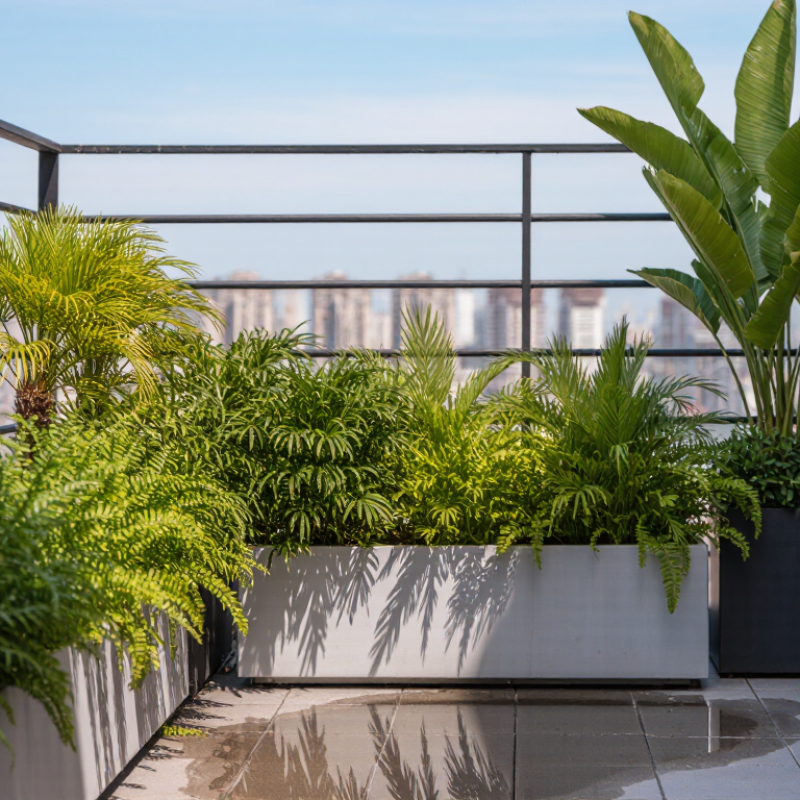
Balconies expose artificial greenery to harsh conditions: direct sunlight, reflected heat, rain, wind, and narrow drainage areas. Choosing attractive leaves is not enough. The real question is: Where to buy UV-rated artificial plants for balconies? A reliable answer begins with material evidence, not only product photographs or marketing claims.

Grand View Research’s artificial plants market analysis links industry growth with urban living, limited gardening space, and demand for low-maintenance decoration. However, market growth does not prove that every outdoor plant can resist ultraviolet exposure. The World Health Organization identifies ultraviolet radiation as a significant environmental hazard, while ASTM G154 and ISO 4892-3 provide recognized methods for evaluating accelerated weathering of plastics. These standards do not automatically certify a product, but they offer useful reference points when sellers describe UV performance.

Look for polyethylene, polypropylene, or similarly weather-resistant materials, plus a stated UV warranty or testing method. Ask whether the rating applies to the leaves, stems, planter, and color coating. It may not.

A practical balcony check is simple. Place the plant beside the railing and observe midday glare, wind movement, and water collection after rain. Dense leaves can trap moisture. Lightweight pots may also tip over.

Product descriptions are sometimes vague. That deserves skepticism. Choose suppliers who publish care instructions, outdoor-use limitations, warranty terms, and realistic service-life expectations. No artificial plant remains flawless forever. Even a UV-rated product can fade, crack, or become brittle under intense exposure. A careful purchase balances verified specifications, balcony conditions, and the visual effect you genuinely want to maintain.
How to Find UV Rated Artificial Plants for Balconies?

Define UV Ratings for Balcony Artificial Plants

How to Find UV Rated Artificial Plants for Balconies?

Define UV Ratings for Balcony Artificial Plants

A UV rating shows how well artificial leaves resist sunlight damage. It does not measure plant realism or color quality. There is no universal UV grade for balcony plants. Reliable suppliers should identify their testing method, exposure time, and material used.

ASTM G154 and ISO 4892-3 use controlled ultraviolet exposure, heat, and moisture cycles. These tests help assess fading, cracking, and brittleness. However, laboratory hours do not equal one fixed number of outdoor years. Balcony direction, glass reflection, pollution, and seasonal weather change results.

The World Health Organization’s Global Solar UV Index classifies 8–10 as very high and 11+ as extreme. A south-facing balcony may expose foliage to harsh midday radiation. Look for wording such as “UV stabilized,” supported by test details. Ask whether the test covered leaves, stems, and printed pigments. Some products protect only the surface coating. That can fail first at thin leaf edges.

Tips: Check a sample after several weeks in direct sun. Photograph the same leaf monthly. Compare color near the stem with the exposed tip. Mild fading is easy to miss. Also, avoid placing plants against hot metal railings, which can accelerate material fatigue.

My practical concern is simple: a UV claim without test conditions is incomplete. It sounds technical, but it may not predict balcony performance. Choose documented exposure testing, inspect the warranty language, and allow airflow around dense foliage.

How to Find UV Rated Artificial Plants for Balconies? — Define UV Ratings for Balcony Artificial Plants

The UV Index describes the strength of the sun’s ultraviolet radiation, not an artificial plant’s durability. The categories shown follow the World Health Organization’s UV Index scale; values are category upper limits, with 11 representing the start of the extreme range. When choosing balcony plants, check product information for UV-resistance or weathering-test details, since there is no single universal UV rating scale for artificial plants.

Assess Your Balcony’s Sunlight and Weather Exposure

Before choosing UV-rated artificial plants, study your balcony for several days. Note direct sunlight, reflected glare, wind, rain, and seasonal changes. A south-facing balcony may receive intense midday exposure, while nearby glass can reflect extra ultraviolet radiation. Track the brightest hours with a simple phone timer and record the shadow’s movement.

The World Health Organization’s Global Solar UV Index recommends protection when the index reaches 3 or higher. Check local daily forecasts from your national weather service, especially during summer. UV ratings matter because constant exposure can fade leaves, weaken coatings, and make stems brittle. However, a product labeled “UV resistant” does not always explain its testing period or climate assumptions. Ask for test details based on standards such as ISO 4892-3 or ASTM G154. Laboratory aging is useful, but it cannot perfectly reproduce salty air, freezing temperatures, or balcony wind.

Weather exposure deserves equal attention. NOAA Climate Normals can help reveal local rainfall, temperature ranges, and seasonal extremes. A covered balcony needs different protection from an exposed upper floor. Look closely at drainage and wind movement. I once underestimated reflected heat from a pale wall; the plant looked faded within one summer. That experience was imperfect, but useful. Choose dense foliage with secured stems, and inspect one sample after several weeks before filling the entire balcony.

Compare Materials, Construction, and Color Retention

How to Find UV Rated Artificial Plants for Balconies?

Compare Materials, Construction, and Color Retention

A convincing “UV rated” label should point to a test method, not just promise lasting color. ASTM G154 describes accelerated weathering cycles using fluorescent ultraviolet lamps and moisture exposure. Ask whether the foliage was tested under this standard, and request the exposure duration and results. Test hours help compare products, but they do not translate neatly into years outdoors. Real balconies add changing shade, heat, and reflected light from glass or pale walls.

Material and construction matter together. Polyethylene leaves often feel more flexible than brittle, thin plastic, while UV stabilizers in the material can slow fading. Check the leaf backs, stem joints, and cut edges; these areas can reveal uneven coating or weak assembly. Ask for color measurements before and after testing, ideally reported as a color difference rather than “no fading.” Small print matters. NOAA’s UV Index scale classifies readings of 6 and above as high, a useful reminder that exposed balconies can face strong ultraviolet radiation. Still, a sunny wall can create harsher local conditions than a general forecast suggests.

For a practical comparison, place samples outdoors in the intended spot for several weeks and photograph them in consistent daylight. That is not a laboratory test, and it may miss seasonal changes. I would not treat it as proof. But it can expose obvious color shifts, curling edges, or loose leaves before purchase.

How to Find UV Rated Artificial Plants for Balconies? — Compare Materials, Construction, and Color Retention
Material or Construction Typical Balcony Use UV and Color Retention Weather and Wear Considerations What to Check Before Buying
UV-stabilized polyethylene (PE) Leaf sprays, foliage, and molded plant parts Often good
UV stabilizers can slow fading and embrittlement, but performance varies by formulation and exposure.
Generally suitable for outdoor use when the product is specifically designed and labeled for it. Look for an outdoor-use statement and published UV test results or a clearly described warranty.
UV-stabilized polypropylene (PP) Planter inserts, stems, foliage, and structural components Varies
Unprotected PP can degrade in sunlight; UV additives and pigments can improve outdoor performance.
Check that exposed parts—not only the hidden frame—are intended for prolonged sun exposure. Ask whether UV protection applies to the complete product and which test method or exposure period supports the claim.
PVC (polyvinyl chloride) Leaves, vines, and flexible decorative foliage Varies
Color stability depends on the formulation, pigments, and UV protection; untreated products may fade or become brittle outdoors.
Heat and direct sunlight can affect flexibility and appearance over time. Confirm the item is rated for outdoor use rather than relying on a general “weather-resistant” description.
Polyester fabric Soft leaves, flowers, and fine decorative details Often lower unless treated
Outdoor-rated dyes and UV treatments can help, but fabric color may still change with prolonged sun exposure.
Fabric can collect dust and may take longer to dry after rain than molded plastic foliage. Check for UV-treated outdoor fabric, cleaning instructions, and any stated colorfastness information.
Metal wire or metal-frame construction Internal support for stems, garlands, or shaped arrangements Not applicable to color retention of foliage
UV protection is mainly relevant to the covering and leaves.
Uncoated metal may corrode when exposed to rain and moisture; coated or corrosion-resistant components are preferable outdoors. Inspect exposed joints and ends, and check that the frame is protected against corrosion.
Attached leaves and reinforced stems Useful on breezy, exposed balconies Indirect benefit
Secure construction helps foliage stay in place but does not prevent UV fading.
Leaves can loosen under wind stress, especially on lightweight or densely branched arrangements. Check attachment points, stem flexibility, planter stability, and whether the arrangement can be secured safely.
Color and exposure conditions All materials and constructions Depends on sun exposure
Direct afternoon sun generally causes faster fading than shaded or indirect-light conditions. Dark and bright colors may show change differently.
Heat, reflected sunlight from glass or walls, rain, and wind can shorten the useful life of outdoor decor. Match the product’s outdoor rating to the balcony’s actual exposure; rotate or shade plants where practical.

Check Product Specifications and Seller Reliability

When comparing UV-rated artificial plants, read beyond the front-label claim. Check whether the seller names a test method, such as ASTM G154, which uses fluorescent UV exposure and moisture cycles to assess material weathering. A stated test duration is useful, but it does not translate directly into years outdoors. Ask what was tested: the leaves, stems, or the complete assembled plant. Small print matters.

Match the specifications to your balcony. The U.S. Environmental Protection Agency’s UV Index scale classifies 6–7 as high and 8 or above as very high; sunny, exposed balconies can face intense UV conditions. Look for clear information on UV-resistant materials, intended outdoor use, and any stated limits on color fading. Ask the seller for a test summary or written care guidance. Reliable sellers should explain warranty coverage, including what counts as fading and how claims are handled. Check recent reviews for specific details, such as leaves turning pale after one summer, rather than relying on star ratings alone. I would still treat “UV-proof” cautiously. Sun exposure varies, and even credible specifications cannot promise identical results on every balcony.

Choose, Install, and Maintain Plants for Long-Term Use

UV-rated artificial plants can keep a balcony looking green, but the label alone is not enough. Check the product details for stated UV resistance and any expected exposure limits. “UV-resistant” does not mean fade-proof. Strong afternoon sun, reflected heat from glass, and coastal wind can shorten a plant’s useful life. Compare leaves in natural light when possible; vivid colors may look different outdoors.

Choose plants that suit the balcony’s size and conditions. Compact grasses or trailing foliage can fit narrow railings, while taller arrangements may need heavier, stable containers. Check that stems and leaves feel securely attached, and inspect seams or coatings for weak spots. Small details matter. Before buying several, test one plant in its intended location for a few weeks. It is not a perfect guarantee, but it may reveal fading or brittle leaves early.

Secure containers against wind, and keep drainage paths clear so rainwater does not collect around the arrangement. Use outdoor-rated ties or brackets, fastening them without crushing stems. Leave space between plants and walls to reduce trapped moisture and make cleaning easier. Rinse off dust with gentle water, then wipe leaves with a soft cloth; avoid harsh cleaners unless the care instructions allow them. Inspect attachments and color changes every month during sunny seasons. I have found that even a well-rated plant can look tired in a hot corner, so moving it sometimes is simply practical.

FAQS

What does a UV rating mean for artificial balcony plants?

It indicates resistance to sunlight damage, such as fading, cracking, or brittle leaves. It does not measure realism or color quality.

Does “UV-resistant” mean a plant will never fade?

No. Strong afternoon sun and reflected heat can still change its color. Not fade-proof.

What details should I ask about a UV test?

Ask how long testing lasted, which materials were tested, and whether leaves, stems, and pigments were included. A claim without conditions is incomplete.

How can I assess sunlight on my balcony?

Track direct sun and moving shadows for several days. Note reflected glare from nearby glass or pale walls. Small details matter.

Does balcony direction affect plant durability?

Yes. A sunny, exposed balcony may receive harsher radiation than a shaded or covered one. Wind, rain, and seasonal weather also affect wear.

How can I check whether a plant is fading?

Place one sample outdoors for a few weeks. Photograph the same leaf monthly, comparing its exposed tip with the area near the stem.

How should I install artificial plants on a windy balcony?

Secure containers with stable brackets or outdoor-rated ties. Keep drainage paths clear, and leave space between foliage and walls for airflow.

What maintenance helps artificial plants last longer?

Rinse off dust gently and wipe leaves with a soft cloth. Check attachments and color changes monthly during sunny seasons. I underestimated reflected heat once; the leaves faded faster than expected.

Conclusion

UV-rated artificial plants are designed to resist fading and damage from prolonged exposure to sunlight, but the level of protection can vary. Before choosing plants for your balcony, consider how many hours of direct sun they receive, along with exposure to wind, rain, and temperature changes. Compare materials, leaf construction, color quality, and any available testing details to judge how well the plants may hold their appearance outdoors.

Review product specifications carefully and choose a seller that provides clear, consistent information about UV protection and outdoor suitability. If you are wondering, “Where to buy UV-rated artificial plants for balconies,” focus on reliable sellers with detailed product descriptions and helpful support. Install plants securely, allow for drainage where needed, and clean them periodically to remove dust and debris. With a suitable product and simple upkeep, your balcony greenery can stay attractive for longer.

Mason

Mason

Mason is a seasoned marketing professional with a deep expertise in the company's offerings and a passion for driving brand awareness. With a strong background in digital marketing strategies, he has an innate ability to connect with diverse audiences and effectively communicate product benefits.......