In commercial settings, safety is paramount, especially concerning fire hazards. Many businesses use artificial foliage to enhance their environments. However, these decorative elements can pose risks if not properly treated. Understanding how to fireproof artificial foliage for commercial use is essential for maintaining safety without sacrificing aesthetics.
Artificial plants and trees, while visually appealing, can ignite under certain conditions. Applying fire retardant chemicals is a common solution. These treatments work by slowing down combustion. Choosing the right type of fireproofing product is crucial. Not all treatments are equal, and their effectiveness may vary by material.
Transparency about the limitations of fireproofing is necessary. Even with treatments, regular inspections are vital. Maintaining proper safety protocols ensures a safer environment. Each business must assess its specific needs and risks. Fireproofing is not a one-time task but an ongoing responsibility. Educating staff on safety procedures complements the fireproofing efforts, contributing to a comprehensive safety strategy.
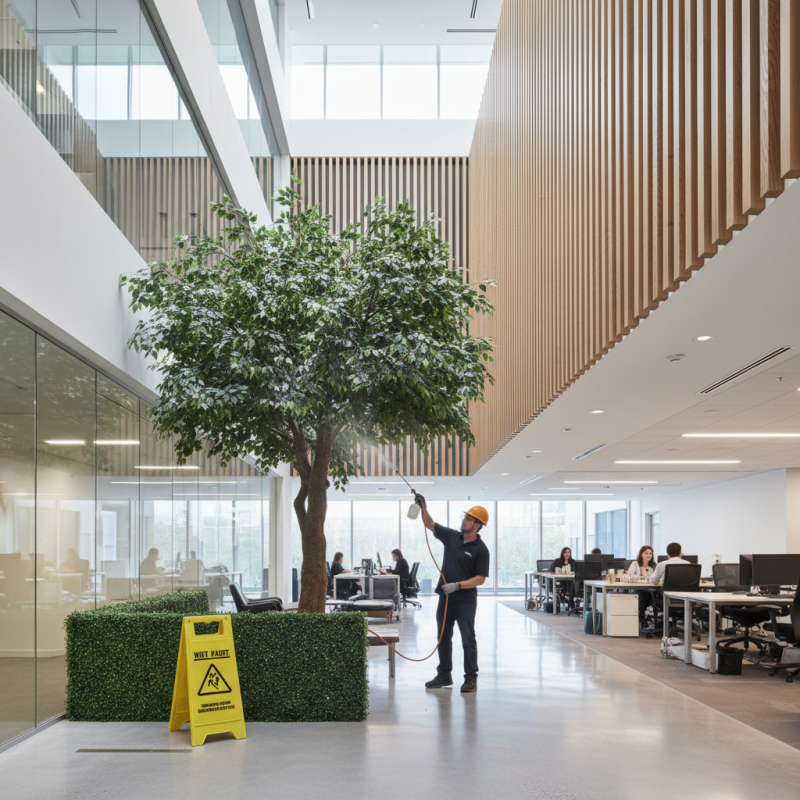
Fire safety is crucial in commercial settings, especially when it comes to artificial foliage. These decorative elements can enhance the ambiance but may pose a fire risk if not properly treated. Choosing fire-retardant materials is an essential step in ensuring safety. These materials can slow down the spread of fire and are a vital consideration for any business.
Regular maintenance of artificial plants can enhance their safety. Dust accumulation can increase flammability. Routine cleaning helps prevent this risk, ensuring that decorative foliage remains not only beautiful but also safe. Moreover, business owners should regularly inspect their foliage for signs of wear and tear. Any damage could compromise fire safety.
It’s vital to educate staff about fire risks related to artificial greenery. Training sessions can help employees identify potential hazards. Additionally, proper storage of flammable materials away from decor can drastically reduce risks. Neglecting these factors can lead to dangerous situations. A proactive approach ensures that businesses maintain both aesthetic appeal and fire safety.
| Tip | Description | Importance | Recommended Products |
|---|---|---|---|
| Use Flame-Retardant Treatments | Apply flame-retardant chemicals to artificial foliage materials to reduce flammability. | Enhances fire safety, lowers risk of fire spread. | Fire-retardant sprays, treatments. |
| Regular Maintenance | Inspect and clean artificial plants regularly to remove dust and debris that could catch fire. | Prevents accumulation of flammable materials. | General cleaning supplies. |
| Strategic Placement | Keep artificial foliage away from heat sources, electrical equipment, or direct sunlight. | Reduces the risk of fire due to heat exposure. | N/A |
| Choose Quality Materials | Invest in high-quality, flame-resistant artificial plants rather than cheaper alternatives. | Long-lasting safety and aesthetic appeal. | Flame-resistant artificial plants. |
| Fire Safety Training | Train staff on fire safety measures and the importance of maintaining fire-resistant foliage. | Educated staff can react quickly to fire hazards. | Training materials and workshops. |
: Fire ratings indicate how materials react to flames and heat, ensuring safety in commercial spaces.
A Class A rating indicates minimal flame spread, making it safer for use in decor.
Regular cleaning and inspections can help remove debris and identify damage that compromises safety.
No, many materials are not inherently fire-resistant. Always check for specific fire safety standards.
Avoid clustering plants; maintain space between them and heat sources to minimize fire hazards.
Regular reapplication is necessary to ensure ongoing effectiveness; standards suggest periodic treatment.
Use a damp cloth to clean dust and debris, as these can increase fire risk.
Inspect them regularly and replace or treat any damage to maintain safety features.
Conduct a review of existing decor to assess compliance with current fire safety regulations.
Neglecting maintenance might lead to severe fire risks, jeopardizing the safety of occupants.
When considering the integration of artificial foliage in commercial spaces, understanding how to fireproof artificial foliage for commercial use is paramount. Fire safety is critical, as decorative plants must adhere to fire ratings and standards to ensure the safety of the environment. Selecting the best materials for fire-resistant artificial foliage can significantly reduce the risk of fire hazards.
Proper installation techniques play a vital role in enhancing the fire safety of faux plants, ensuring they are securely positioned and non-flammable. Additionally, regular maintenance practices are essential to preserve their fireproof features, thereby extending the longevity and safety of artificial greens in any commercial setting. By following these guidelines, businesses can effectively mitigate fire risks while enjoying the aesthetic benefits of artificial foliage.

 Purely Plants