Preserved moss has become a popular choice for indoor decor and landscaping. This trend reflects a growing interest in sustainable and low-maintenance plants. According to a report by the American Society of Interior Designers, 75% of designers are incorporating greenery into their projects. However, many enthusiasts wonder, "How to maintain preserved moss without watering?"
The answer lies in understanding the unique preservation process that makes moss so appealing. Preserved moss retains its vibrant color and texture without the need for water. This is due to a glycerin treatment that keeps the moss flexible and fresh. However, improper care can lead to dullness and deterioration.
Businesses and consumers alike should recognize that maintaining the aesthetic of preserved moss requires specific conditions. Keeping the moss away from direct sunlight and humidity is crucial. By using these guidelines, you can enhance the longevity of your preserved moss. Embracing this knowledge can further elevate the charm of your space.
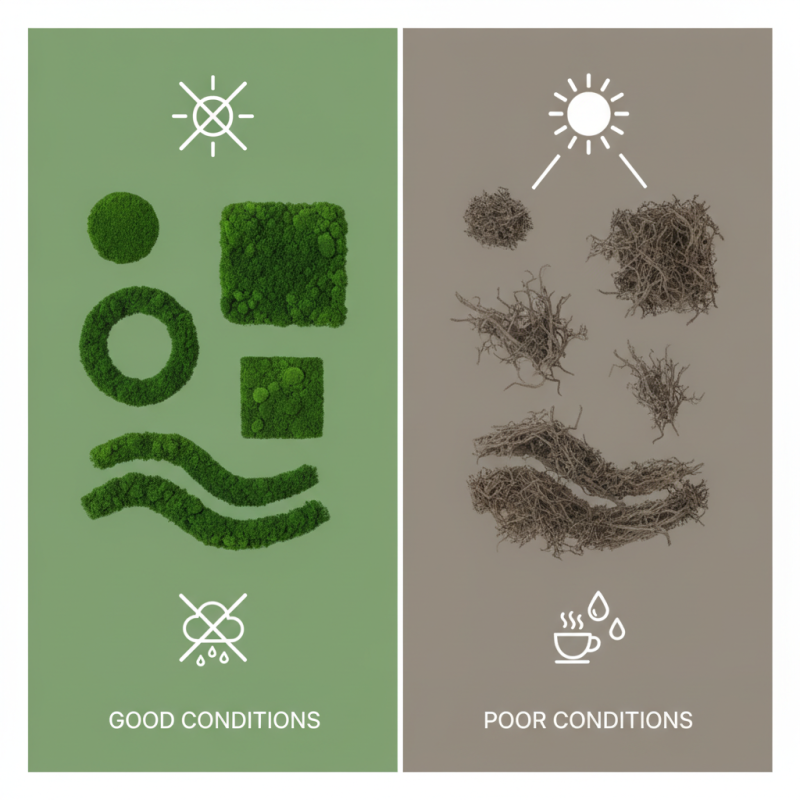
Preserved moss is a unique decoration that adds a natural touch to indoor spaces. Understanding its properties is essential for maintenance. This moss has been treated to maintain its vibrant color and texture without needing water. Unlike live moss, it does not require sunlight or soil. This makes it perfect for various arrangements and displays.
Using preserved moss in decor can be challenging. Over time, it can lose its softness and vibrancy. To keep it looking fresh, avoid exposing it to direct sunlight or humid environments. Dry air can help maintain its quality. A careful approach will ensure the moss remains appealing.
Tips for Care: Keep preserved moss dust-free. Use a soft brush or a can of air to clean it gently. Storing it in a cool, dry place can also help. Watch for signs of fading or brittleness and adjust exposure as needed. Remember, while preserved moss is low-maintenance, it still requires some attention to keep it looking its best.
Preserved moss is a unique addition to any space, bringing an earthy aesthetic. However, maintaining its vibrancy requires an understanding of humidity. Unlike live plants, preserved moss doesn’t need watering. Instead, it thrives in environments with higher humidity levels.
Humidity plays a vital role in preserving moss color and texture. Ideally, the surrounding air should maintain a moisture level between 40% and 60%. In drier conditions, moss can become brittle and lose its characteristic softness. Placing moss in rooms with natural humidity, like kitchens or bathrooms, can be beneficial. If your environment is particularly dry, consider using a humidifier to maintain the ideal moisture balance.
However, too much humidity can also harm preserved moss. Excess moisture may encourage mold growth. Careful monitoring is essential. Additionally, don’t expose preserved moss to direct sunlight for extended periods. This exposure can cause fading and discoloration. Balancing humidity is not just about adding moisture; it also involves observing the moss closely and adjusting conditions as needed. Keeping preserved moss fresh can be a rewarding process, but it may require some trial and error.
Maintaining preserved moss can be a fine art. Proper techniques can help retain its vibrant appearance without the need for watering. Preserved moss is treated to enhance its longevity, but a few methods can ensure it stays fresh for years. Research from the Journal of Environmental Horticulture indicates that humidity levels should be monitored regularly. Ideal conditions are between 40% and 60% relative humidity. Excessive dampness can cause deterioration.
In addition, light exposure plays a crucial role. Direct sunlight should be avoided, as it can fade the moss's color and damage its texture. Instead, placing preserved moss in indirect light enhances its longevity while maintaining its charm. A study published by the American Society of Horticultural Science shows that moss thrives best in areas with filtered light. Aesthetic placement in these conditions can be challenging.
Temperature is another variable to consider. Ideal ambient temperatures range from 60°F to 75°F. Extremes in temperature can lead to degradation. While moss does not require watering, a light misting with distilled water can sometimes refresh its texture. However, overdoing it may lead to issues. Balancing these factors requires attention and care. Even seasoned professionals can find themselves reflecting on how environmental conditions impact preserved moss over time.
Displaying preserved moss can be a beautiful addition to any space. The right techniques can help maintain its vibrant color and texture. Studies indicate that preserved moss retains its appeal without excessive care. According to the National Gardening Association, preserved moss can last for years if handled correctly.
To optimize the display of preserved moss, keep it away from direct sunlight. UV rays can cause fading, diminishing its rich colors. It is also vital to maintain stable humidity levels. A humidity range of 40-60% is ideal. In environments too dry, moss can become brittle and lose its aesthetic value.
Consider using a sealant to protect the moss from dust and pollutants. A light application every six months can enhance its longevity. Regular dusting with a soft brush can also help. However, be cautious not to over-clean, as excessive handling may cause damage. This approach may not be perfect, and some moss types may still show signs of wear. Regular observation is key to detecting any changes, ensuring your moss always looks its best.
When it comes to preserving moss, many enthusiasts stumble into common pitfalls. One major mistake is overexposure to sunlight. Although preserved moss doesn’t require watering, direct sunlight can cause it to fade and lose its vibrant color. A shaded spot is ideal for maintaining its appearance. Regularly check its condition. If it starts to look dull, it may be a sign that it needs a change in environment.
Another common error is neglecting humidity levels. While preserved moss doesn’t thrive in water, extremely dry conditions can also lead to brittleness. Aim for a balanced humidity level, especially in dry climates. Using a small humidifier can be beneficial. Additionally, touching preserved moss frequently can damage its delicate texture. Handle it with care to avoid unwanted wear. It’s easy to overlook these details, but being mindful can enhance the beauty of your preserved moss displays.
| Common Mistake | Description | Impact | Solution |
|---|---|---|---|
| Direct Sunlight | Exposing preserved moss to direct sunlight can cause it to fade and dry out. | Fading colors and brittleness | Position away from direct sunlight; place in shaded areas. |
| Humidity Levels | Too low humidity can cause moss to become dry and lose its vibrant color. | Dryness and color loss | Maintain a humidity level of around 40-60%. |
| Overexposure to Air | Allowing preserved moss to be continuously exposed to air can lead to drying out. | Brittleness and crumbling | Store in a closed container when not displayed. |
| Watering | Adding water directly to preserved moss can damage it. | Mold growth and discoloration | Do not water; only use a gentle mist if needed. |
| Wrong Cleaning Methods | Using harsh chemicals or water can ruin the preserved qualities. | Damage to texture and color | Use a soft brush for dusting and avoid cleaning solutions. |
: Ideal humidity should be between 40% and 60%. Regular monitoring is important.
No, direct sunlight can cause fading and damage. Indirect light is best.
Aim for temperatures between 60°F and 75°F. Extremes can lead to degradation.
No, preserved moss doesn’t require watering. Light misting may help but avoid overdoing it.
Overexposure to sunlight is a major mistake. It can dull colors and textures.
Use a small humidifier in dry environments. Maintaining balanced humidity is essential.
No, touching it often can wear down its delicate texture. Handle with care.
If it looks dull, it may need a change in lighting or humidity.
Yes, even experienced individuals can overlook environmental factors affecting moss.
Finding suitable areas with filtered light requires careful consideration and attention.
Preserved moss offers a unique way to bring nature indoors without the need for constant care. Understanding preserved moss and its properties is essential for maintaining its aesthetic appeal. Humidity plays a crucial role in preserving the moss, as it helps retain texture and color. To maintain preserved moss without watering, one can employ various techniques, such as placing it in areas with stable humidity levels and avoiding direct sunlight, which can cause fading.
Additionally, best practices for displaying preserved moss include choosing appropriate containers and ensuring proper air circulation. It's also important to be aware of common mistakes, such as overexposure to temperature fluctuations or neglecting humidity control, which can compromise the moss's integrity. By following these guidelines on how to maintain preserved moss without watering, you can enjoy its beauty for an extended period while minimizing care requirements.
Purely Plants