How to Place Artificial Plants for Feng Shui in 2026?

Time:2026-09-19 Author:Ethan
0%

In 2026, Where to place artificial plants for Feng Shui is becoming a practical home-design question. Many people want natural-looking greenery without watering, pruning, or seasonal replacement. Yet artificial plants should not become dusty decorations. Their visual condition matters.

Feng shui educator and architect Anjie Cho often explains, “Plants bring the energy of nature into our homes.” This principle can guide artificial plant placement, even though synthetic leaves do not provide living energy. A bright entryway, living-room corner, or home-office shelf may create a welcoming visual flow. Choose realistic textures, soft green tones, and clean containers. Avoid blocking doors, windows, or walking paths.

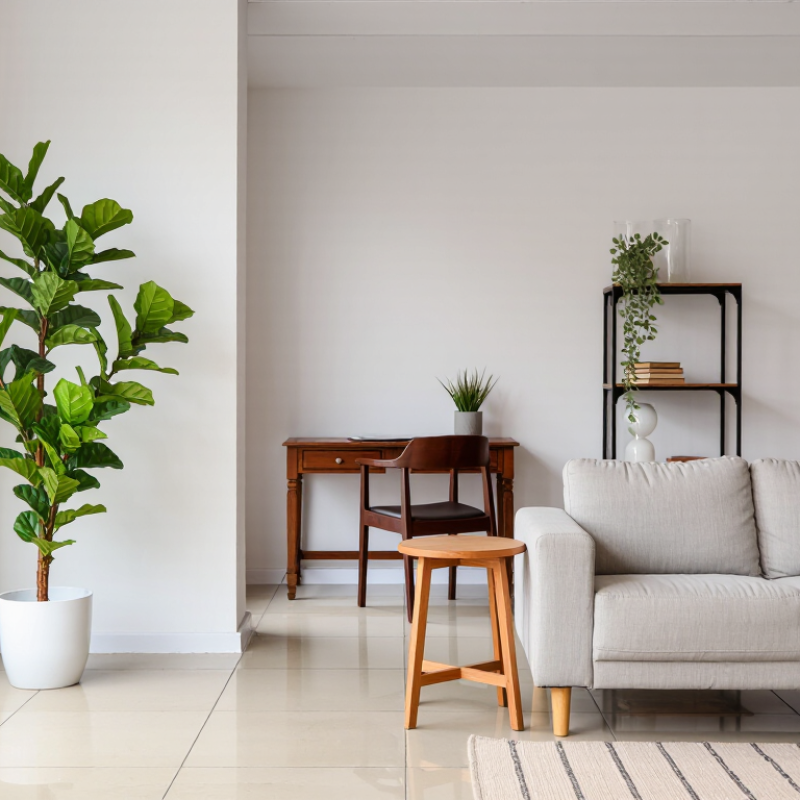
A tall artificial plant beside a bright, empty corner can soften sharp furniture lines. A smaller arrangement near a work desk may make the space feel calmer. However, placement depends on the room’s purpose, lighting, and personal response. There is no single perfect position. Some traditional recommendations also vary between schools.

Keep artificial plants away from cluttered shelves and neglected corners. Dusty leaves can suggest stagnation rather than renewal. That detail is easy to overlook. I would also question whether a plant truly improves the room, or merely fills an uncomfortable gap. Observe the space for several days. Move the plant if it feels crowded, distracting, or strangely lifeless. Good Feng Shui should support comfort, balance, and intentional living—not replace practical design judgment.
How to Place Artificial Plants for Feng Shui in 2026?

Understanding Feng Shui Principles for Artificial Plants in 2026

How to Place Artificial Plants for Feng Shui in 2026

Understanding Feng Shui Principles for Artificial Plants in 2026

Feng shui treats plants as symbols of growth, vitality, and the wood element. Artificial plants can suggest this energy when they look fresh, balanced, and intentional. They do not create living qi, however. That distinction matters. Choose realistic leaves, natural colors, and clean pots. Avoid dusty, broken, or sharply spiked designs near seating areas. These details can make a room feel neglected, even when the arrangement follows traditional advice.

Place a tall artificial plant near a bright living-room corner to soften hard lines. A plant beside a desk may visually separate work from rest without blocking movement. Keep pathways open.

The Environmental Protection Agency reports that indoor pollutant levels can be two to five times higher than outdoor levels, so artificial plants should never replace ventilation or cleaning.

The 2024 Global Wellness Economy Monitor valued wellness at about $6.3 trillion in 2023, reflecting growing interest in healthier, nature-connected spaces. Still, a decorative plant is not a wellness device. I sometimes over-arrange them. More greenery does not always mean better energy.

Tips: Wipe leaves weekly, especially near windows and cooking areas. Use one tall plant beside a heavy cabinet, not several crowded together. In bedrooms, choose soft shapes and muted colors. Remove damaged stems promptly. South, east, and southeast areas are commonly associated with warmth, family, and growth, but feng shui schools differ. Test the room’s comfort first. Tradition helps, but personal experience still deserves attention.

Choosing Artificial Plants That Support Positive Energy

How to Place Artificial Plants for Feng Shui in 2026?

Choosing Artificial Plants That Support Positive Energy

Feng shui begins with intention, balance, and clear movement. Choose artificial plants with soft, natural shapes and varied green tones. Avoid faded leaves, glossy plastic, or crowded arrangements. A plant should look alive, not overly perfect. This small detail matters.

Place a tall plant near an empty living-room corner to soften harsh lines. Keep pathways and doorways open. In traditional feng shui, healthy-looking greenery is often associated with growth and vitality. East and southeast areas are commonly linked with family and prosperity. These associations are cultural practices, not proven scientific effects.

The 2015 Human Spaces report surveyed 7,600 workers across 16 countries. It found that people in biophilic workplaces reported 15% higher wellbeing, 6% higher productivity, and 15% more creativity. The study examined natural elements broadly, not artificial plants alone. So, avoid promising miracles.

Artificial greenery cannot clean indoor air. The U.S. Environmental Protection Agency reports that indoor pollutant levels can be two to five times higher than outdoor levels. Dust the leaves weekly, especially near windows and desks. Choose non-toxic, stable materials, and secure taller plants around children or pets. I would also reconsider bedroom placement if the arrangement feels visually busy. Good energy should feel calm, not staged.

Placing Artificial Plants in Each Feng Shui Bagua Area

How to Place Artificial Plants for Feng Shui in 2026?

Placing Artificial Plants in Each Feng Shui Bagua Area

In Feng Shui practice, artificial plants can suggest growth when they look fresh and natural. They should not replace practical care, clean air, or comfortable room design. Place a leafy plant in the southeast wealth area, using healthy green tones and a simple ceramic pot. The south fame area suits taller plants with upward shapes. In the southwest love area, choose two matching plants to represent balance. The east family area benefits from rounded leaves and warm wooden details. Keep the central health area open, calm, and free from crowded arrangements.

The west creativity and children area can hold a small plant with unusual leaves or a playful shape. In the northwest helpful people area, use a neat silver, white, or gray container. The north career area works well with slender plants and dark blue accents. Place a compact plant in the northeast knowledge area beside books or a study lamp. Avoid thorny shapes near seating areas. They may feel visually harsh.

Tips: Dust artificial leaves weekly, especially near windows and cooking spaces. Replace faded stems before they look tired. Avoid placing plants where they block doors, walkways, or natural light. From my experience, one carefully positioned plant feels better than many crowded ones. Feng Shui is a reflective tradition, not a guaranteed formula. I sometimes move a plant after living with it for several days. The room’s feeling matters.

Balancing Colors, Shapes, and Materials in Every Room

How to Place Artificial Plants for Feng Shui in 2026?

Balancing Colors, Shapes, and Materials in Every Room

Artificial plants can support a calm visual flow when their colors, shapes, and materials feel balanced. In feng shui practice, placement is symbolic rather than scientifically proven, so treat it as a thoughtful design method. Choose soft green leaves for bedrooms and work areas. They suggest renewal without creating visual noise. Round leaves often feel gentler than sharp, spiky forms. Use one near a wooden shelf or beside a natural-fiber basket to create material harmony.

In living rooms, place a taller plant near an empty corner, but keep pathways open. A ceramic pot can add grounding weight, while a woven container brings warmth. In darker rooms, lighter green foliage may prevent the space from feeling heavy. Avoid filling every corner. Too much repetition can make the room feel staged, even when the arrangement follows traditional advice. I still misjudge scale sometimes; a plant that looked modest in a shop seemed oversized at home.

Tips: Match leaf color with existing textiles, not only wall paint. Keep artificial plants dust-free, because neglected surfaces quickly weaken the feeling of care. Balance one bold shape with quieter furniture. In kitchens, choose compact forms away from heat and moisture. In bathrooms, select moisture-resistant materials and avoid blocking mirrors or ventilation. For uncertain placements, live in the room for a week before making the arrangement permanent.

Avoiding Common Feng Shui Mistakes with Artificial Plants

Artificial plants can support a calm Feng Shui arrangement, but only when they look fresh and intentional. In 2026, many homes use them where natural light is limited. Place a healthy-looking plant near an entryway, beside a dull corner, or in a living room’s wooden area. Avoid blocking doors, windows, or walking paths. Energy needs movement.

Dust is a serious mistake. A dusty leaf suggests neglect, regardless of its price or appearance. Wipe leaves weekly with a soft, slightly damp cloth, and remove faded flowers immediately. Avoid crowded shelves filled with several artificial plants. Too much decoration can create visual noise and make a room feel smaller. One well-shaped plant often works better.

Be careful with sharp leaves near beds, sofas, and desks. Softer, rounded shapes usually feel more welcoming. Do not place artificial plants in every corner simply to “activate” energy. Traditional Feng Shui schools differ, and no placement guarantees health, wealth, or relationships. Practical comfort still matters. Artificial plants also do not clean the air, so ventilation remains important. I would not ignore a room that feels uncomfortable just because its arrangement follows a rule. Move the plant, observe the light, and notice whether the space feels easier to use. Sometimes the best correction is surprisingly small.

FAQS

Can artificial plants support Feng Shui in 2026?

They can symbolize growth, balance, and the wood element. They do not create living qi. Keep them fresh and intentional.

Where should I place a tall artificial plant?

Put one near a bright living-room corner or beside a heavy cabinet. Keep doors and walking paths clear. Movement matters.

Which leaf shapes work best near seating areas?

Rounded leaves usually feel softer than sharp, spiky forms. Choose gentle shapes near sofas, beds, and desks. Comfort comes first.

How should I use artificial plants in a bedroom?

Choose muted colors and soft foliage. Avoid crowded arrangements beside the bed. A calm corner is enough.

How often should artificial plants be cleaned?

Wipe the leaves weekly with a soft, slightly damp cloth. Clean them more often near windows and cooking areas. Dust changes everything.

Can artificial plants improve indoor air quality?

No. They do not clean indoor air or replace ventilation. Open windows when suitable, and clean the room regularly.

What common Feng Shui mistakes should I avoid?

Avoid blocking windows, doors, mirrors, and ventilation. Do not fill every corner with greenery. One well-shaped plant often works better.

How can I balance colors, materials, and plant size?

Match leaf colors with nearby textiles, not only wall paint. Pair green leaves with ceramic pots or woven baskets. Scale can surprise you.

Are certain directions better for artificial plants?

East, southeast, and south are traditionally linked with family, growth, and warmth. Feng Shui schools differ. Test the room’s comfort first.

What should I do if the arrangement feels wrong?

Move the plant slightly, observe the light, and use the room for a week. Personal comfort deserves attention. Rules are not perfect.

Conclusion

How to Place Artificial Plants for Feng Shui in 2026? This guide explains how artificial greenery can support a balanced, welcoming atmosphere when selected and positioned thoughtfully. It covers the basic Feng Shui principles behind using plants, including choosing realistic shapes, healthy-looking colors, and materials that complement the energy of each space. The key is to use artificial plants as visual symbols of growth and vitality while keeping rooms clean, open, and comfortable.

You will also learn Where to place artificial plants for Feng Shui in each Bagua area, from entryways and living rooms to bedrooms, workspaces, and bathrooms. The guide explores how to balance colors, forms, height, and texture in every room, while avoiding common mistakes such as overcrowding, placing plants in cluttered corners, or using damaged and dusty arrangements. With intentional placement and regular care, artificial plants can enhance the mood and harmony of a home throughout 2026.

Ethan

Ethan

Ethan is a seasoned marketing professional with a deep expertise in our company's innovative product line. With a passion for sharing knowledge and insights, he takes the lead in regularly updating our corporate blog, where he explores industry trends, product features, and effective marketing......