How to Put Artificial Plants in a Real Shower?

Time:2026-10-04 Author:Sienna
0%

Can you put artificial plants in a real shower? The answer is yes, but the choice requires more care than placing a plant beside a sink. A shower creates constant moisture, soap residue, heat, and limited airflow. These conditions can damage low-quality plastic leaves, loosen glued stems, or encourage mildew around hidden surfaces. Choose plants labeled for bathroom, damp, or indoor use. Silk foliage may look realistic, but it often absorbs moisture and dries slowly. Waterproof plastic or treated polyester usually performs better.

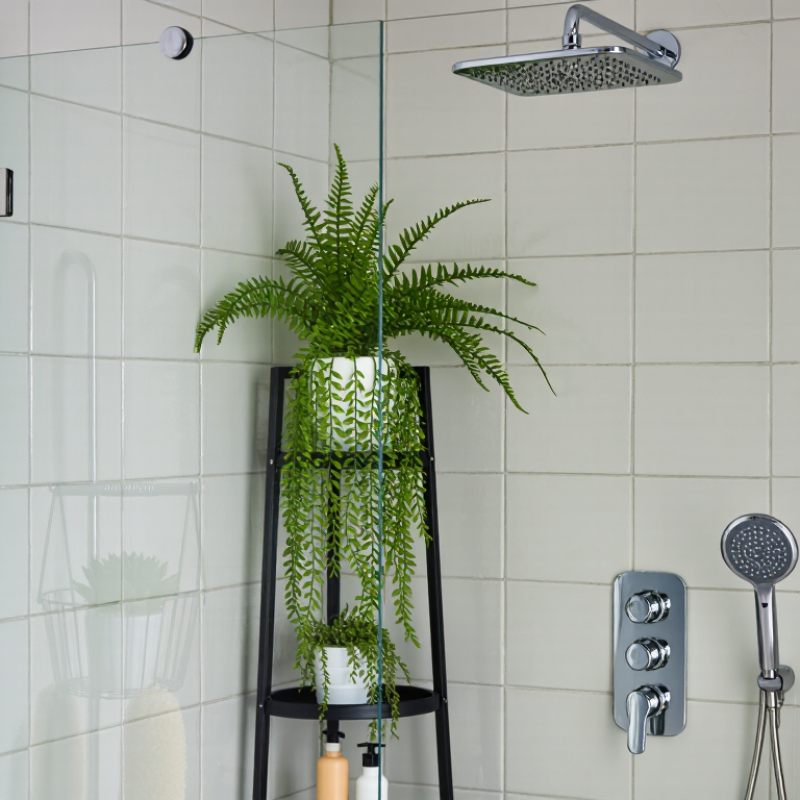
Place the plant away from the direct spray. A corner shelf, high shower caddy, or tension-pole basket can provide a safer position. Keep leaves from blocking the drain, touching electrical fixtures, or covering controls. Secure the container firmly, especially in a family bathroom where movement is common. Rinse the foliage weekly and inspect the stems, pot, and mounting hardware. A soft cloth removes mineral spots without scratching the surface. Let the plant dry fully when possible.

Small details matter. A trailing vine can soften white tiles, while a tall faux fern may make a narrow shower feel crowded. Avoid plants with loose glitter, sharp wire ends, or strong chemical odors. It is tempting to choose the most realistic design, but easy cleaning matters more. The arrangement may also need adjustment after a few showers. Watch for dripping water, dark corners, and trapped soap. Artificial plants add atmosphere, not ventilation or air purification, so they should complement a clean, well-maintained shower rather than replace it.
How to Put Artificial Plants in a Real Shower?

Choose Shower-Safe Artificial Plants and Suitable Materials

Artificial plants can make a real shower feel softer, but moisture changes the material requirements.

Choose leaves made from waterproof plastic, silicone, or sealed polyester. These materials resist splashes better than untreated fabric or paper-based decorations. Avoid exposed metal stems, because constant humidity may cause rust and staining. A sealed ceramic or plastic pot is safer than unfinished wood.

Place the plant beside the shower, not directly beneath the strongest spray. I once used a beautiful fabric planter near the showerhead, and its lower edge stayed damp for days. It looked harmless, but mildew appeared quickly. A weighted container prevents tipping, especially on a narrow ledge. Keep plants away from controls, drains, and walking areas. Some suction fixtures seem secure at first. They can still release without warning.

Tips: Check the care label before buying. Choose open leaves that dry quickly. Wipe the plant weekly with a mild, damp cloth. Let it air-dry outside the bathroom occasionally. Inspect seams, stems, and pot surfaces for discoloration or odor. If the material feels sticky or brittle, replace it. This is easy to overlook. Polypropylene or sealed plastic pots usually handle bathroom humidity better than untreated natural fibers.

Select a Safe and Practical Location in the Shower

Choose a location outside the direct shower stream. A corner shelf, recessed niche, or upper ledge works better than the floor. Keep the plant away from the showerhead, faucet, and moving door. Wet leaves can collect soap residue and encourage surface mold. Leave space around the exhaust grille, light fittings, and grab bars. Safety must come before decoration.

The U.S. Environmental Protection Agency recommends keeping indoor relative humidity between 30% and 50%. A bathroom plant should not obstruct ventilation that helps control moisture. ASHRAE Standard 62.2-2022 commonly uses 50 cubic feet per minute for intermittent bathroom exhaust. Check that airflow remains clear after installation. Choose a lightweight pot with a wide, stable base. Avoid glass containers and sharp decorative stems.

My first placement was too close to the spray. It looked attractive, but cleaning became annoying. A washable plastic stem and removable pot are more practical. Wipe the leaves weekly with a damp cloth, then dry the shelf completely. Do not place the plant above electrical outlets or on unstable shower accessories. If the surface stays damp for hours, move the plant farther away. A small mistake here can become a daily maintenance problem. EPA, Indoor Air Quality and Mold Resources; ASHRAE Standard 62.2-2022.

How to Put Artificial Plants in a Real Shower? - Select a Safe and Practical Location in the Shower

Potential Location Suitability Recommended Placement Main Safety Considerations Maintenance Frequency
Shower Caddy or Corner Shelf Excellent Place a small, lightweight plant in a stable corner away from the showerhead’s direct spray. Keep the plant from blocking toiletries, falling into the shower area, or covering drainage openings. Wipe dust and rinse residue every 1–2 weeks.
Outside the Shower Spray Zone Excellent Position the plant on a recessed ledge or corner that receives humidity but not continuous water exposure. Use water-resistant materials and keep the base stable on a non-slip surface. Inspect and clean monthly or whenever visible residue appears.
Hanging from a Shower Rod Good with Caution Use a lightweight hanging planter secured with a tight, corrosion-resistant hook on the side of the rod. Do not overload the rod, obstruct the curtain, or place the plant where it can swing into a person. Check the hook and attachment point weekly; clean monthly.
Shower Wall Adhesive Holder Good with Caution Mount a small holder on a clean, smooth, dry surface outside the strongest water stream. Follow the holder’s weight limit and installation instructions; avoid textured, damp, or porous surfaces. Check adhesion before each use and clean every 1–2 weeks.
Built-In Shower Niche Excellent Place a compact artificial plant on the upper or side section of the niche, leaving room for water to drain. Do not cover the niche drain path or allow leaves to touch plumbing fixtures. Remove and rinse or wipe the plant every 1–2 weeks.
Shower Floor Corner Not Recommended Avoid placing plants directly on the shower floor; use an elevated, secured platform only if the area remains fully clear. Plants and containers can create a trip hazard, collect residue, and interfere with drainage. Avoid whenever possible.
Near Electrical Fixtures Not Recommended Keep artificial plants away from bathroom outlets, switches, heaters, lighting fixtures, and other electrical equipment. Water and electrical equipment create a serious shock risk. Follow local electrical safety requirements. Do not use this location.
Directly Under the Showerhead Not Recommended Do not place artificial plants where they receive continuous or high-pressure water. Repeated soaking may cause discoloration, material deterioration, unpleasant odors, and mineral buildup. Avoid this location; move the plant to a protected area.
Practical Selection Guide: Choose a lightweight artificial plant made from water-resistant materials, secure it firmly, keep walkways and drains clear, and avoid direct spray and electrical fixtures.

Prepare the Plant, Containers, and Mounting Supplies

Prepare the artificial plant before it enters a real shower. Remove paper tags, loose wires, and dusty filler. Rinse the foliage with lukewarm water, then dry every leaf and stem completely. Artificial leaves do not absorb water, but trapped moisture can stain surfaces or encourage mildew around joints. EPA indoor-air guidance recommends keeping indoor relative humidity between 30% and 50%, so reliable bathroom ventilation still matters.

Choose a container made from sealed ceramic, resin, or corrosion-resistant metal. Avoid untreated wood, porous clay, and containers with hidden fabric liners. Drill drainage holes only when the container will not damage the shower base. Otherwise, use a removable inner pot and empty it after cleaning. Keep the plant light enough to lift with one hand. That small detail matters during deep cleaning.

Select mounting supplies rated above the plant’s total weight, not just its dry weight. Suction hooks suit smooth glass, but textured tile needs a compatible waterproof adhesive mount or a properly anchored bracket. Clean the surface with isopropyl alcohol and let it dry fully. Never mount above the showerhead where falling hardware could cause injury. Check the attachment weekly for movement, rust, or softened adhesive. I once trusted a “waterproof” pad too quickly; steam exposed the weakness. Leave clearance around valves and drains. Secure the container, but allow airflow behind it. EPA moisture-control reports repeatedly identify ventilation and rapid drying as practical mold-prevention measures.

How to Put Artificial Plants in a Real Shower?

Recommended supplies for preparing and mounting one small-to-medium artificial plant in a shower area.

Use a water-resistant artificial plant, a container that fits securely, and mounting supplies rated for humid environments. Keep the plant away from direct, high-pressure spray and inspect the attachment points regularly.

Install the Artificial Plants Without Blocking Water Flow

How to Put Artificial Plants in a Real Shower?

Artificial plants can soften a shower’s hard surfaces, but placement must protect water flow. Choose lightweight stems with sealed, water-resistant leaves. Avoid fabric, untreated wood, and materials that absorb moisture. Keep every leaf away from the showerhead, control handles, and drain. The plant should never create a place for water to pool.

Use a narrow corner shelf, a suction-mounted holder, or a removable tension rod. Position the arrangement beside the spray, not directly beneath it. Leave several inches around the drain and check the floor after running the shower. Water should travel freely toward the outlet. Keep it clear.

A loose stem can also become a slipping hazard. Secure the container firmly, but make it easy to remove for cleaning. Rinse dust from the leaves weekly and inspect the holder for trapped moisture. Dry the wall and base after washing.

I once placed a plant too close to the spray, and its container collected water for days. It looked attractive, but the setup was poorly judged. Test the spray from different angles before leaving the arrangement in place.

If water splashes behind the plant, move it higher, farther sideways, or outside the wet zone. Some “waterproof” materials still fade or crack over time, so check them regularly.

Clean, Secure, and Maintain the Shower Plant Display

Artificial plants can soften a hard shower, but humidity exposes weak materials quickly. In my own shower setup, I choose foliage with sealed stems and washable leaves. Fabric leaves collect soap residue, so they need more attention. Keep the plant away from direct spray whenever possible. Constant water encourages discoloration and trapped moisture. Rinse the leaves with lukewarm water weekly. Wipe them dry with a clean microfiber cloth. Small details matter. Check the drain, too. Loose, soil-like debris from decorative filler can create a blockage. I avoid filler entirely and use a clean, closed container.

Security comes before appearance. Use a waterproof hook or stable shower caddy rated for the plant’s weight. Clean the tile with mild soap, then dry it fully before attaching anything. Press the mount firmly and test it by hand. Wait before adding the plant. Never attach displays to a grab bar, shower door track, or slippery fixture. Those surfaces may move or support safety equipment. Leave clear space around handles and the showerhead. Each week, inspect the hook, stem, and container for cracks. Remove the plant if it feels loose. I once placed a heavy pot too high; it sagged after several steamy showers. That was careless. A lighter container works better, though it looks less dramatic. If mold appears, follow the plant’s care instructions and improve ventilation. Run the exhaust fan during and after showering. Artificial does not mean maintenance-free.

FAQS

What materials work best for artificial plants in a humid shower area?

Choose waterproof plastic, silicone, or sealed polyester leaves. Sealed stems are helpful. Avoid untreated fabric, paper, and exposed metal.

Where should an artificial plant be placed near a shower?

Place it beside the shower, not beneath the strongest spray. A corner shelf, recessed niche, or upper ledge works well. Keep walkways clear.

Why should artificial plants stay away from direct water?

Constant spray leaves moisture trapped between leaves and stems. Soap residue may collect there. Surface mold can follow.

What type of container is safest for a shower plant?

Use a sealed ceramic or plastic pot with a wide, stable base. Lightweight containers are easier to manage. Avoid glass and unfinished wood.

How can I prevent the plant from falling?

Use a waterproof hook or stable caddy rated for its weight. Test the attachment by hand first. Never use a grab bar or moving door track.

How often should an artificial shower plant be cleaned?

Rinse the leaves weekly with lukewarm water. Wipe them with a clean microfiber cloth. Dry the shelf completely afterward.

What should I inspect during regular maintenance?

Check seams, stems, hooks, and pot surfaces for cracks, odor, or discoloration. If the plant feels sticky or brittle, replace it. Small defects matter.

Can an artificial plant affect bathroom ventilation?

Yes, if it blocks an exhaust grille or reduces airflow around it. Keep ventilation openings clear. Indoor humidity is often best kept between 30% and 50%.

What should I do if the area stays damp for hours?

Move the plant farther from the shower spray. Run the exhaust fan during and after showering. My first placement looked attractive, but cleaning became annoying.

Is an artificial plant completely maintenance-free?

No. Artificial foliage still collects moisture, soap, and dust. Avoid decorative filler that may enter the drain. Appearance matters, but safety matters more.

Conclusion

Can you put artificial plants in a real shower? Yes, you can, as long as you choose plants made from moisture-resistant, mold-resistant, and non-corrosive materials. Select a practical location, such as a corner shelf or a wall area away from the direct spray, where the display will not interfere with movement or water drainage. Before installation, prepare the plants, waterproof containers, suction hooks, tension rods, or other secure mounting supplies suitable for humid spaces.

Arrange the plants so they add a natural touch without blocking the showerhead, drain, controls, or water flow. Keep leaves and stems clear of areas where they could collect excess soap or create a slipping hazard. Clean the plants and containers regularly with mild soap and water, then allow them to dry thoroughly. Check the mounting points frequently to ensure everything remains stable, replace damaged parts promptly, and remove the display if it shows signs of mold, rust, or deterioration.

Sienna

Sienna

Sienna is a skilled marketing professional with a deep expertise in our company’s core products and services. With a passion for innovation and detail, she plays a pivotal role in crafting insightful blog posts that not only highlight the unique features of our offerings but also provide valuable......