How to Restore Sun Damaged Artificial Plants for Lasting Beauty?

Time:2026-05-05 Author:Isabella
0%

Artificial plants can enhance any space, but sun exposure often leads to fading. If you’ve noticed your once-vibrant decor looking dull, don’t fret. Knowing how to restore faded artificial plants from sun damage can breathe new life into your home or office.

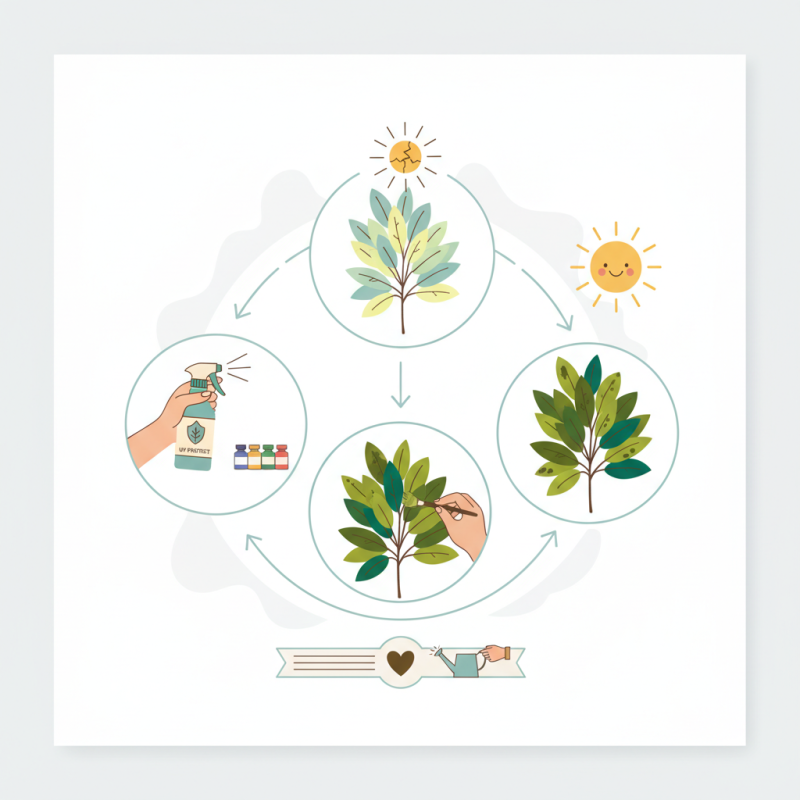
Sunlight can strip colors from synthetic materials, leaving them lifeless. This process is gradual and often overlooked until the damage is significant. However, you can apply simple methods to rejuvenate those plants. Using household items like fabric paint or UV protection sprays can work wonders in reviving their original beauty.

It's important to embrace the idea that not every restoration will be perfect. Some imperfections may remain, but that can add character and unique charm. Reflecting on the care and effort you put into restoring your plants can make the process even more rewarding. Remember, with patience and creativity, your artificial greenery can regain its former glory.
How to Restore Sun Damaged Artificial Plants for Lasting Beauty?

Assessing the Extent of Sun Damage on Artificial Plants

Assessing the extent of sun damage on artificial plants requires careful observation. Start by checking for fading colors. A study from the Journal of Applied Polymer Science indicates that UV exposure can lead to significant color degradation over time. If your plants appear dull or washed out, they are likely suffering from sun damage.

Next, inspect the material for brittleness or cracking. According to industry reports, high temperatures and sunlight can compromise the integrity of synthetic materials. Damaged fibers may break easily when bent or pulled. This brittleness often indicates prolonged exposure to harsh sunlight and necessitates a detailed restoration process.

Consider the placement of your artificial plants as well. Many enthusiasts overlook how certain environments impact durability. For instance, areas with full sun exposure may lead to quicker deterioration. Reflect on your choices; adjusting the location may extend the life of your plants. Careful assessment today can save you effort and expense in the future.

Gathering Necessary Supplies for Restoration

Restoring sun-damaged artificial plants requires careful preparation. Before diving in, you need to gather specific supplies. Start with a soft cloth or sponge for gentle cleaning. This will help remove dust without damaging the surface. You’ll also need mild soap to clean the leaves effectively. A soft-bristle brush can help scrub off stubborn dirt.

Consider using a UV-protective spray as a final touch. This will help shield your plants from future sun damage. Don't forget to get a bucket of water for rinsing. Ensure that your workspace is well-lit. Good lighting allows for accurate assessment of damages. Check for fading or discoloration closely.

Bear in mind, sometimes the restoration won’t be perfect. You might notice some faded areas even after cleaning. This is a common issue and can be frustrating. Embrace these imperfections as part of the plant's character. With patience and the right tools, your artificial plants can regain their charm.

Step-by-Step Cleaning Process for Sun-Damaged Plants

Sun-damaged artificial plants can significantly detract from your home’s beauty. Over time, exposure to UV rays can fade their colors and cause a dull appearance. Fortunately, restoring these plants is simpler than you might think. Begin by gently dusting off any loose dirt and debris. A soft cloth or a feather duster works wonders for this task. Pay special attention to delicate leaves, as they can easily tear.

Next, prepare a solution of mild soap and water. Use a sponge to wipe the leaves, ensuring you don’t soak them. This helps remove stubborn dirt and grime without causing further damage. Rinse the sponge frequently and tackle any persistent stains. Once cleaned, allow the plants to air dry in a shaded area. This step is crucial. Direct sunlight can cause them to warp or fade again.

Finally, inspect for signs of wear. Some leaves may look overly faded or damaged. It may be beneficial to replace these with new ones from a craft store. A few strategically placed fresh leaves can bring back life to your arrangement. Restoring artificial plants takes patience but can yield beautiful results. Reflect on the process to learn what techniques work best for your particular plants. This experience can provide valuable insights for future maintenance.

Techniques to Restore Color and Luster to Artificial Foliage

Artificial plants can suffer from sun damage over time. When exposed to UV rays, colors fade and surfaces lose their luster. Research shows that nearly 40% of plastic plants display color changes after just six months in sunlight. This impact can make your décor look dull and uninviting.

To restore color and vibrancy, start with a gentle cleaning. Use a soft cloth or sponge with mild soap and water. This removes dust and debris. A diluted vinegar solution can also work wonders, but avoid harsh chemicals. They may cause further damage. After cleaning, look into UV-resistant sprays. These products can add a protective layer against future sun damage.

Consider using spray paint designed for plastics to touch up any faded parts. Choose colors that closely match the original. Layering thin coats provides a more natural finish. It’s essential to allow each coat to dry before applying the next. While these techniques revive your foliage, some imperfections may remain. Reflect on your process and adjust methods for better results in the future.

How to Restore Sun Damaged Artificial Plants for Lasting Beauty?

Restoration Technique Description Materials Needed Estimated Time
Dust Removal Gently dust leaves and stems using a soft cloth or brush to remove dirt. Soft cloth or brush 10 minutes
Color Restoration Spray Use a color restoration spray to revive faded colors. Color restoration spray, gloves 15-20 minutes
UV Protective Coating Apply UV protective coating to prevent future sun damage. UV protective spray 30 minutes
Reconditioning Leaves Use oils to condition and add luster to plastic leaves. Natural oils (like coconut oil), soft cloth 20 minutes
Reassembly Reassemble parts if any pieces came apart during cleaning. None required 10 minutes

Preventive Measures to Protect Artificial Plants from Future Sun Damage

Preventing sun damage to artificial plants is essential for maintaining their beauty and longevity. According to industry reports, UV rays can significantly degrade the materials used in artificial plants over time. Research indicates that up to 20% of the color and texture can be lost each year if they are not adequately protected. Choosing high-quality materials with UV protection can extend their lifespan.

Tip: Regularly rotate your artificial plants to minimize sun exposure on one side. This simple action can significantly reduce the risk of damage.

Consider placing your plants in shaded areas whenever possible. This can help limit the amount of direct sunlight they receive. Additionally, using protective sprays designed for artificial plants can offer another layer of defense against UV rays. Many of these products can enhance the color and protect the texture, helping you maintain the original appearance.

Tip: Inspect your plants routinely for signs of fading or wear. Early detection can help you take action before significant damage occurs.

Taking proactive steps to shield your artificial plants from sunlight will ensure they remain vibrant and attractive for years to come. Investing in preventive measures is wiser than dealing with restoration later.

FAQS

: How can I tell if my artificial plants are sun damaged?

: Check for fading colors and brittle materials. Dullness usually indicates sun damage.

What happens to the colors of artificial plants in sunlight?

Colors can fade significantly, often within six months of exposure.

What should I look for during an inspection?

Inspect for color degradation, brittleness, and any visible cracks in the material.

How can I clean my artificial plants to restore their appearance?

Use a soft cloth with mild soap and water. Avoid harsh chemicals to prevent further damage.

Are there products to protect my artificial plants from sun damage?

Yes, UV-resistant sprays can help shield your plants from future damage.

Can I use spray paint on faded artificial plants?

Yes, use spray paint designed for plastics, applying thin, even coats for a natural finish.

How often should I check my artificial plants for sun damage?

Regular checks help identify damage early. Aim for inspections at least twice a year.

Can the placement of my artificial plants affect their lifespan?

Yes, full sun exposure can lead to quicker deterioration. Adjusting their location can help.

What if my restoration methods leave imperfections?

Some imperfections may remain despite your efforts. Reflect and refine your techniques for better outcomes.

Is there a simple way to maintain my artificial plants?

Regular dusting and cleaning can keep them looking their best, minimizing the effects of sun damage.

Conclusion

Restoring sun-damaged artificial plants can bring back their vibrant beauty and extend their lifespan. To begin, assess the extent of the sun damage to determine the necessary restoration steps. Gather essential supplies such as mild soap, soft brushes, and UV protectant sprays. The cleaning process involves gently removing dust and debris, followed by washing the foliage with soapy water to eliminate any discoloration. After cleaning, techniques such as using fabric dyes or UV-resistant sprays can help restore color and luster to the plants.

To effectively answer the question of how to restore faded artificial plants from sun damage, it's crucial to implement preventive measures after the restoration process. Consider relocating the plants to shaded areas or using protective coverings to minimize future damage. By following these steps, you can ensure that your artificial plants retain their beauty for years to come.

Isabella

Isabella

Isabella is a dedicated marketing professional with a sharp focus on driving brand growth and engagement through strategic content creation. With an extensive background in digital marketing, she combines her passion for storytelling with her keen understanding of industry trends to deliver......