How to Use the Latest Biophilic Office Design Trends?

Time:2026-11-22 Author:Liam
0%

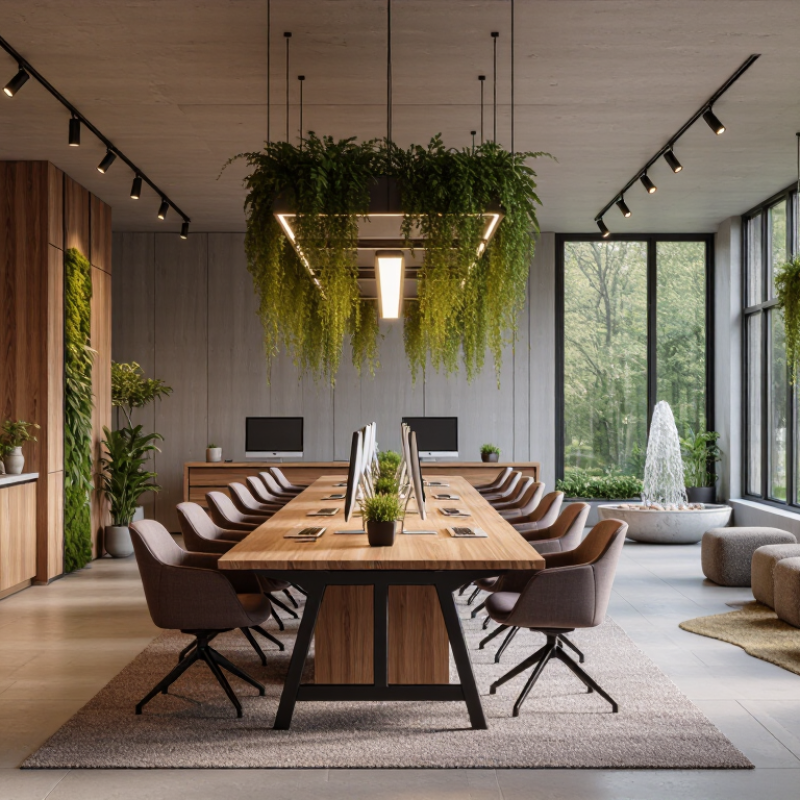
What are the latest trends in biophilic office design? The answer goes beyond adding a few potted plants. Offices are bringing daylight deeper into floor plans, pairing timber and stone finishes with tactile fabrics, and creating views of greenery where possible. Designers are also using planting, water, and natural patterns to soften noisy, screen-heavy spaces. The aim is a workplace that feels connected to nature, not like a showroom.

There is evidence behind the interest, though it deserves careful reading. The 2015 Human Spaces report surveyed 7,600 office workers across 16 countries. Respondents in workplaces with natural elements reported 15% higher wellbeing, 6% higher productivity, and 15% greater creativity than those without them. These are survey associations, not proof that plants alone caused the difference. Still, they offer useful context for workplace decisions.

Practical design starts with the room itself. A leafy wall will not fix glare, poor ventilation, or a meeting space with no quiet corner. Consider adjustable blinds, visible planting, natural materials within reach, and places to pause near windows. Measure comfort and gather feedback after changes; people use spaces in ways plans cannot predict. And yes, a dramatic plant wall can become expensive theater. The strongest approach balances sensory detail with maintenance, access, and the everyday needs of staff. That balance is not always easy.
How to Use the Latest Biophilic Office Design Trends?

Assess Workplace Needs and Opportunities for Nature Integration

Assess the workplace before choosing plants, timber, or living walls. Ask employees where they feel focused, tired, or distracted, then compare responses with a simple floor-plan walk-through. Mark window access, glare, noisy corners, and routes people rarely use. Check which areas have daylight but no outdoor view, and which meeting rooms feel sterile despite good lighting. Small details matter.

The 2015 Human Spaces report surveyed 7,600 office workers across 16 countries. Respondents with natural elements in their workplaces reported:

15% higher wellbeing
6% higher productivity
15% more creativity

These are survey associations, not proof that plants alone caused the gains. The World Green Building Council’s 2014 review, Health, Wellbeing and Productivity in Offices, also identifies daylight, views, air quality, and thermal comfort as factors to assess alongside design.

Use the findings to set a baseline: record comfort complaints, room use, and access to windows before changing the space. Then test one practical intervention, such as moving a shared table toward daylight or adding plants where staff actually gather. Recheck feedback after several weeks. A plant wall may look impressive, but it will not fix glare or a room nobody uses. And sometimes the best opportunity is simply opening the blinds.

Choose Biophilic Design Trends That Fit Your Office

Choose biophilic features that solve real workplace needs, not just follow a trend. A 2015 Human Spaces study surveyed 7,600 employees across 16 countries. Workers in environments with natural elements reported 15% higher wellbeing, 6% higher productivity, and 15% more creativity. These are reported associations, not guaranteed results. Still, they offer a useful reason to test nature-based changes.

Start with what your office lacks. If window views are scarce, try a few hardy plants near shared desks, rather than filling every walkway with pots. If staff spend hours under harsh lighting, prioritize access to daylight and adjustable task lamps. The World Green Building Council’s 2014 review links indoor environmental quality, including lighting and air quality, with health and workplace performance. Small changes count.

Fit matters. A quiet room may benefit from timber textures and filtered daylight; a busy reception may need clearer sightlines and low-maintenance greenery. Ask employees what feels distracting or calming, then trial one change for a few weeks. Track feedback and practical issues, like glare or watering needs. A plant can look lovely and still block a screen. That part is easy to miss.

Integrate Natural Light, Plants, Materials, and Nature-Inspired Forms

How to Use the Latest Biophilic Office Design Trends?
Integrate Natural Light, Plants, Materials, and Nature-Inspired Forms

Biophilic design works best when nature is part of the daily experience, not just a decorative corner. Position desks near windows, use adjustable blinds to limit glare, and keep sightlines open to outdoor views. Where daylight is limited, layered lighting can soften a room without pretending to replace sunlight. Add hardy plants at eye level and along circulation routes. Small changes matter.

The 2015 Human Spaces global workplace study surveyed 7,600 employees across 16 countries. Respondents in workplaces with natural elements reported 15% higher wellbeing, 6% higher productivity, and 15% greater creativity. These are reported associations, not proof that plants alone caused the difference. Choose tactile materials such as wood, cork, or textured stone, and use curved screens or leaf-like patterns to echo natural forms. A desk may still feel harsh if lighting, noise, or upkeep is overlooked.

Tips: Group plants where they can receive suitable light and be maintained easily. Test materials in the actual room; samples can look warmer under showroom lighting. Keep pathways clear, and ask staff what feels calming or distracting. The answer may be less greenery than expected.

Coordinate Biophilic Features with Technology and Accessibility

Biophilic offices work best when greenery, daylight, and digital tools share one plan. A tall planter can soften a desk area, but it must not narrow an accessible route or block a monitor. Keep aisles clear. Place plants away from vents and cable runs, and use stable pots that staff can clean easily. Pair adjustable task lights with window shades because daylight shifts throughout the day. Controls matter, too. Keep switches reachable, clearly labeled, and usable without a phone app. Choose screen interfaces that support keyboard navigation and strong text contrast.

Biophilic details should complement, not compete with, access needs. Raised planters can create gentle visual boundaries while leaving turning space near desks and meeting tables. Check that leaves do not brush faces or trigger sensitivities; preferences vary. Do not assume every employee finds dense planting calming. Before installation, walk the routes with people who use them, then check glare, reach, and acoustics during normal work. At 3 p.m., a glossy leaf may reflect sunlight onto a screen. Adjust placement after observing actual use. This can feel fussy. But a beautiful corner that cannot be reached is still a design failure.

How to Use the Latest Biophilic Office Design Trends? — Coordinate Biophilic Features with Technology and Accessibility

Design Feature Biophilic Application Technology Coordination Accessibility Considerations Practical Planning Measure
Daylight and views Place regularly used work areas near windows where practical, and preserve views of trees, gardens, or the sky. Use dimmable lighting and occupancy or daylight sensors; commission controls to avoid distracting brightness changes. Control glare with adjustable blinds, and keep window controls reachable from seated positions where possible. Measure illuminance at the work surface and adjust shading and electric lighting for the task and user comfort.
Indoor planting Use a mix of appropriately sized plants in locations that do not obstruct circulation or work surfaces. Keep irrigation equipment away from power outlets and data connections; use leak detection where automated watering is installed. Maintain clear routes and turning areas; consider plant scent, pollen, and maintenance needs when selecting species. Set a maintenance schedule for watering, pruning, pest checks, and replacement of unhealthy plants.
Nature-inspired lighting Layer ambient and task lighting to support comfortable work while retaining a connection to natural daylight. Provide accessible manual controls alongside automated settings, with clearly labeled zones and predictable operation. Minimize flicker, harsh contrast, and glare; provide task lighting that can be adjusted to individual needs. Review lighting levels against applicable local standards and the tasks performed in each area.
Natural materials and textures Introduce wood, stone, and other nature-associated finishes through durable, low-emission surfaces. Plan cable routes and device locations before installing wall panels or textured finishes to preserve service access. Choose smooth, stable walking surfaces; avoid raised edges and finishes that create confusing visual patterns. Check finish samples for cleanability, durability, slip resistance, and indoor-air-quality documentation.
Water features and sound Use quiet, well-maintained water elements or recorded nature sounds in suitable shared areas. Place pumps and audio equipment so they can be serviced without disrupting work; provide simple volume controls. Keep sound levels comfortable and avoid masking alarms, speech, or assistive listening systems. Test sound conditions in occupied spaces and adjust or remove features if they interfere with communication.
Views of nature in digital spaces Use nature imagery in meeting rooms or enclosed areas where direct outdoor views are limited. Configure displays to avoid excessive brightness and reflections; make content easy to pause or turn off. Offer captions for video content and avoid rapid motion or high-contrast effects that may cause discomfort. Provide a non-screen alternative so nature-based experiences do not require digital interaction.
Outdoor access and transition areas Connect indoor work areas to gardens, terraces, or views of planted courtyards where feasible. Provide reliable Wi-Fi and weather-appropriate power access only where outdoor work is intended and safe. Plan step-free routes, accessible door hardware, stable surfaces, and seating options with and without armrests. Verify routes, thresholds, and amenities against applicable accessibility codes before construction.
Integrated environmental controls Support comfort through access to daylight, plants, natural materials, and user-adjustable indoor conditions. Coordinate lighting, temperature, and shading controls; explain automated settings and provide a manual override. Use controls with clear labels, readable displays, and operating methods suited to different users. Gather post-occupancy feedback and review comfort, maintenance, and access issues on a regular schedule.

Note: Planning measures are design prompts, not universal code requirements. Confirm technical specifications and accessibility provisions against local regulations and project conditions.

Measure the Results and Adapt the Design Over Time

A biophilic office should be assessed after people have used it, not just when it looks complete. Before making changes, record a baseline: desk occupancy, perceived noise, comfort, and access to daylight. A short anonymous survey can ask whether employees feel focused, calm, or distracted. Keep the questions consistent across seasons. Small details matter. Note which desks are near windows, plants, or natural materials, because location can shape people’s responses. One survey is not proof; workload and team schedules can affect how people feel.

Review the same measures after four to eight weeks, then check again when seasons change. Look for patterns, not perfect scores. If window-side desks are popular but glare complaints rise, adjust blinds or seating before adding more plants. If greenery is often overlooked, it may be poorly placed or difficult to maintain. Track watering and plant condition, too. A neglected planter can undermine the comfort the design was meant to support. It is easy to assume that more nature always means a better workspace. That may be wrong. Share findings with staff, make one change at a time, and note what improves—or does not.

How to Use the Latest Biophilic Office Design Trends?

Measure the Results and Adapt the Design Over Time

Illustrative example only—not measured office data. Compare employee survey ratings (1–5) before and after a design update, then repeat the survey regularly. Use the results to guide changes to planting, daylight access, views, and shared nature-inspired spaces.

FAQS

How can we assess workplace needs before adding nature?

Ask employees where they feel focused, tired, or distracted. Mark window access, glare, noisy corners, and underused routes on a simple floor plan.

What benefits have workers reported from natural elements?

One survey of 7,600 office workers found higher reported wellbeing, productivity, and creativity. These associations do not prove that plants caused the changes.

What should we check before choosing plants?

Note daylight, outdoor views, room use, comfort complaints, and air quality. A leafy corner cannot fix harsh glare or a room nobody uses.

How should we choose biophilic features?

Match each feature to a real need. Try hardy plants near shared desks or timber textures in a quiet room.

Can plants solve poor lighting?

Not always. Open blinds or improve access to daylight first. Adjustable task lamps may help staff working under harsh lights.

Where should plants go?

Place them where people gather, not in every walkway. Keep screens, sightlines, and clear routes in mind.

How can we test a design change?

Try one change for several weeks. Then ask staff about comfort, glare, and practical details like watering.

What if a plant looks good but causes problems?

Move it if it blocks a screen or needs too much care. I might overvalue appearance; daily use matters more.

What is a simple first step?

Open the blinds. Small changes count.

Conclusion

Biophilic office design brings nature into the workplace to support comfort, focus, and well-being. Begin by assessing how people use the office, where they need quiet or collaboration, and which areas could benefit from natural elements. Then choose trends that suit the space and its occupants rather than adding features for appearance alone. What are the latest trends in biophilic office design? Common approaches include making better use of daylight, adding thoughtfully placed plants, choosing natural-looking materials, and using forms and patterns inspired by the outdoors.

For a successful design, coordinate these features with lighting, ventilation, technology, maintenance needs, and accessibility so the office remains practical for everyone. Consider how plants will be cared for, whether materials are durable, and whether natural light can be managed comfortably throughout the day. After implementation, gather feedback and observe how the space is used. Adjust the layout and features over time to keep the design welcoming, functional, and responsive to changing workplace needs.

Liam

Liam

Liam is a dedicated marketing professional with a profound expertise in the industry, where he excels at highlighting the unique advantages of our core products. With a keen understanding of market trends and consumer needs, Liam frequently updates our company’s professional blog, providing......