When exploring the decorative landscape of artificial trees, a pressing question emerges: "Why are some artificial trees more expensive than others?" The price disparity can often be attributed to factors such as materials, craftsmanship, and realism. Recent industry reports indicate that artificial foliage can range from a modest $50 to upwards of $500 or more for premium options. This variation stems from the complexity involved in manufacturing. High-end options typically feature advanced materials that mimic real foliage closely.
The surge in demand for premium artificial trees stems from their applications in both residential and commercial spaces. A significant number of consumers prioritize quality and longevity over cost. According to a market analysis by IBISWorld, the artificial plant industry has experienced a steady growth rate of 5% annually. Thus, investing in higher-priced models often reflects a commitment to quality. However, it raises questions regarding sustainability and the production processes involved. Are we prioritizing style over substance?
In evaluating artificial trees, it is crucial to consider not just the price tag, but also the source and manufacturing ethics. The choices we make today impact environmental sustainability tomorrow. Quality matters, but it should never overshadow the need for responsible production practices.
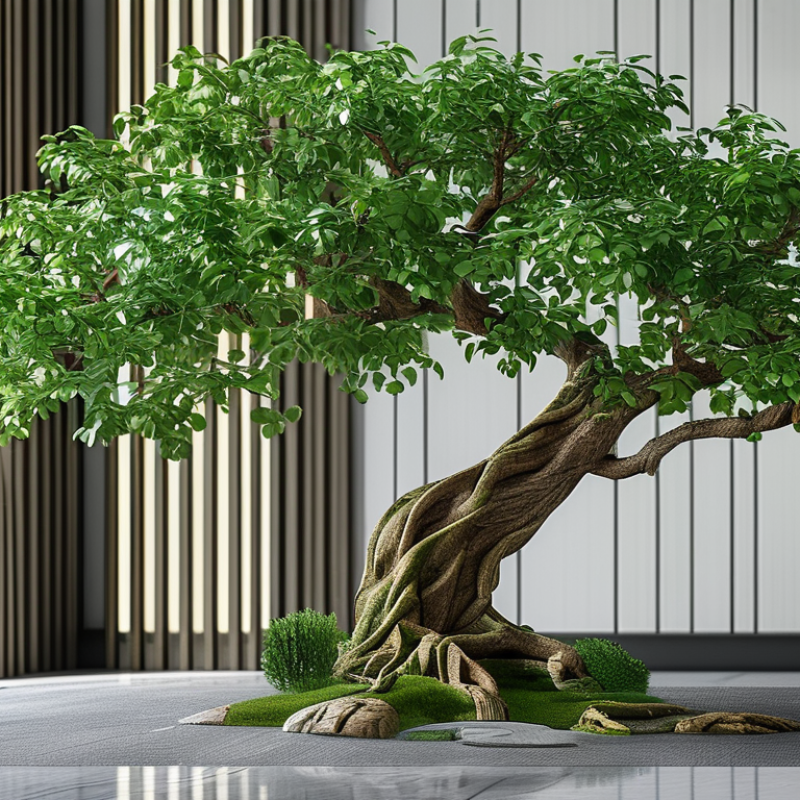
The cost of artificial trees varies significantly in the market. Several factors contribute to this disparity. Material quality plays a crucial role. High-end models use UV-resistant materials. This ensures longevity, especially in outdoor settings. Cheaper options often lack this durability and fade quickly. According to industry reports, premium artificial trees can last over 10 years without losing color, while cheaper trees may only last 2 to 3 years.
Design complexity is another influential factor. Trees with intricate details or realistic textures require more labor and expertise. Craftsmanship impacts the final price. Data shows that detailed designs can raise costs by 25%. Additionally, the size of the tree matters. Larger models demand more materials and shipping resources. A well-designed, sizable artificial tree can easily exceed $1,000. However, smaller, simpler designs may start around $100.
Market demand also affects pricing. As more consumers seek sustainable options, the demand for high-quality artificial trees is increasing. Some manufacturers have raised prices to reflect this trend. Conversely, an oversupply can lead to price drops. Understanding these dynamics is essential for making informed purchasing decisions. Buyers should weigh the initial cost against potential longevity and aesthetic appeal.
When it comes to artificial trees, the materials used in their construction play a significant role in determining their price. Natural materials, while often more attractive and environmentally friendly, can be costly. For instance, wood varieties like mahogany or teak can raise costs substantially compared to synthetic alternatives. These natural options require sustainable sourcing practices and craftsmanship, impacting the final price.
On the other hand, synthetic materials like PVC or polyester can be less expensive. They are often produced in bulk and require less maintenance. However, they may lack the visual appeal and texture of real wood or leaves. This trade-off can lead to reflections on how we value aesthetics versus practicality in our environments.
Tips: When choosing artificial trees, consider the location and purpose. For high-visibility areas, natural materials might justify their higher price. For less seen spaces, more affordable synthetic versions could suffice. Always weigh the importance of environmental impact, durability, and visual appeal in your decision-making process.
Artificial trees have become increasingly sophisticated, blending nature with cutting-edge technology. One major factor driving up costs is the integration of smart features. These enhancements include built-in sensors that monitor environmental conditions. According to a report by the Smart Technology Association, over 30% of artificial trees now incorporate IoT capabilities.
These sensors can measure air quality, humidity, and temperature. They provide real-time data to users. Some models even offer automated watering systems or energy-efficient lighting. This functionality allows users to maintain optimal conditions for plant growth. It can significantly reduce energy costs as well.
However, integrating technology raises concerns too. In a market driven by innovation, the actual value of these smart features can be ambiguous. Many consumers may not fully understand how to utilize them. Data from the Urban Forestry Institute shows that half of the users are unsure of how to maximize smart features. This discrepancy highlights the need for clearer guidance and better consumer education in the industry.
This chart illustrates the cost differences among various types of artificial trees based on their smart features and materials used. The price range varies significantly due to factors like technology integration, design complexity, and material quality.
The price of artificial trees can vary significantly due to design complexity and customization options. Industry reports indicate that intricate designs often require more skilled labor and advanced materials. For instance, trees with detailed foliage or realistic textures can cost 25% more than simpler designs. Customization adds another layer of expense, as clients often request unique features to fit specific environments.
Customization plays a vital role in pricing. Tailored solutions frequently involve collaboration with designers and engineers. Client specifications may include specific dimensions, colors, or integrated technology. This process can double production costs at times. According to a recent study, trees designed for commercial spaces can reach prices upward of $10,000 due to these factors. Such figures challenge the notion of standard pricing in this market.
Furthermore, market demand influences prices too. The growing trend toward sustainable development encourages more companies to invest in unique, eco-friendly designs. However, not all designs yield the same value, leading to inconsistent pricing. An artificial tree may look appealing but may not meet durability standards. Balancing aesthetics and functionality often requires careful consideration, making the price variance even more perplexing.
The pricing of artificial trees can greatly fluctuate based on market demand and production volume. Factors such as the complexity of design or the materials used affect costs. According to a recent industry report, high-end artificial trees can reach prices upwards of $600, while simpler models start around $100. Customers often seek unique designs, driving demand for more intricate versions. This demand directly influences pricing, leading to a wider gap between basic and advanced options.
Production volume also plays a crucial role. When manufacturers scale up production, costs decrease per unit, allowing for competitive pricing. A study indicated that larger manufacturers can reduce costs by about 30% through efficient mass production. However, niche markets with lower production levels result in higher prices. It’s notable that the market can be quite volatile, influenced by trends and consumer preferences. Some buyers face the dilemma of paying a premium for sustainability, with eco-friendly materials often priced significantly higher.
Ultimately, understanding these dynamics can help consumers navigate their choices more effectively.
: Artificial trees are made from natural materials like wood or synthetic materials like PVC and polyester.
Natural materials require sustainable sourcing and skilled craftsmanship, increasing their overall cost.
Synthetic materials can be cheaper but may lack the visual appeal and texture of natural options.
Intricate designs require skilled labor, increasing costs by up to 25% compared to simpler designs.
Customization can double production costs due to tailored specifications and collaboration with designers.
Growing demand for sustainable designs can increase prices, but value may vary significantly between designs.
High-visibility areas may benefit from the aesthetics of natural materials, justifying higher costs.
Consider environmental impact, durability, and visual appeal based on the intended location and use.
Yes, pricing can vary widely due to factors like design complexity and market trends, which require careful evaluation.
We should reflect on the balance between aesthetics and practicality when selecting materials for our environments.
The question "Why are some artificial trees more expensive than others" can be answered by examining several key factors that influence their prices. One significant factor is the materials used in construction; natural materials often drive up costs compared to synthetic alternatives. Additionally, the integration of smart technology can add to the expense, as features like automated lighting or climate control require advanced engineering.
Furthermore, the complexity of the design and the level of customization available play a crucial role in pricing. Intricate designs and bespoke options typically command higher prices. Lastly, market demand and production volume can significantly affect pricing; higher demand with limited supply often leads to increased costs. Understanding these factors helps consumers make informed decisions when purchasing artificial trees.

Purely Plants